
Last updated October 15, 2026
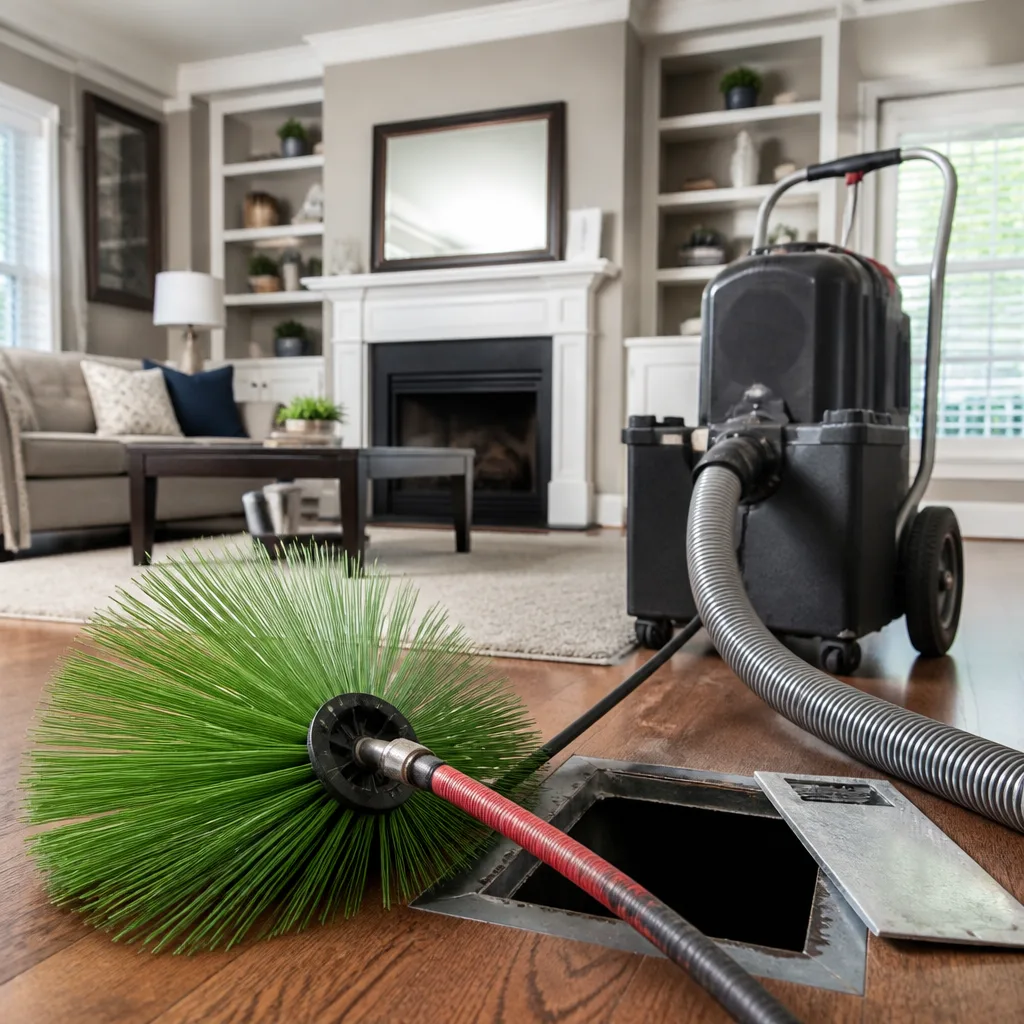 Whole-home duct cleaning
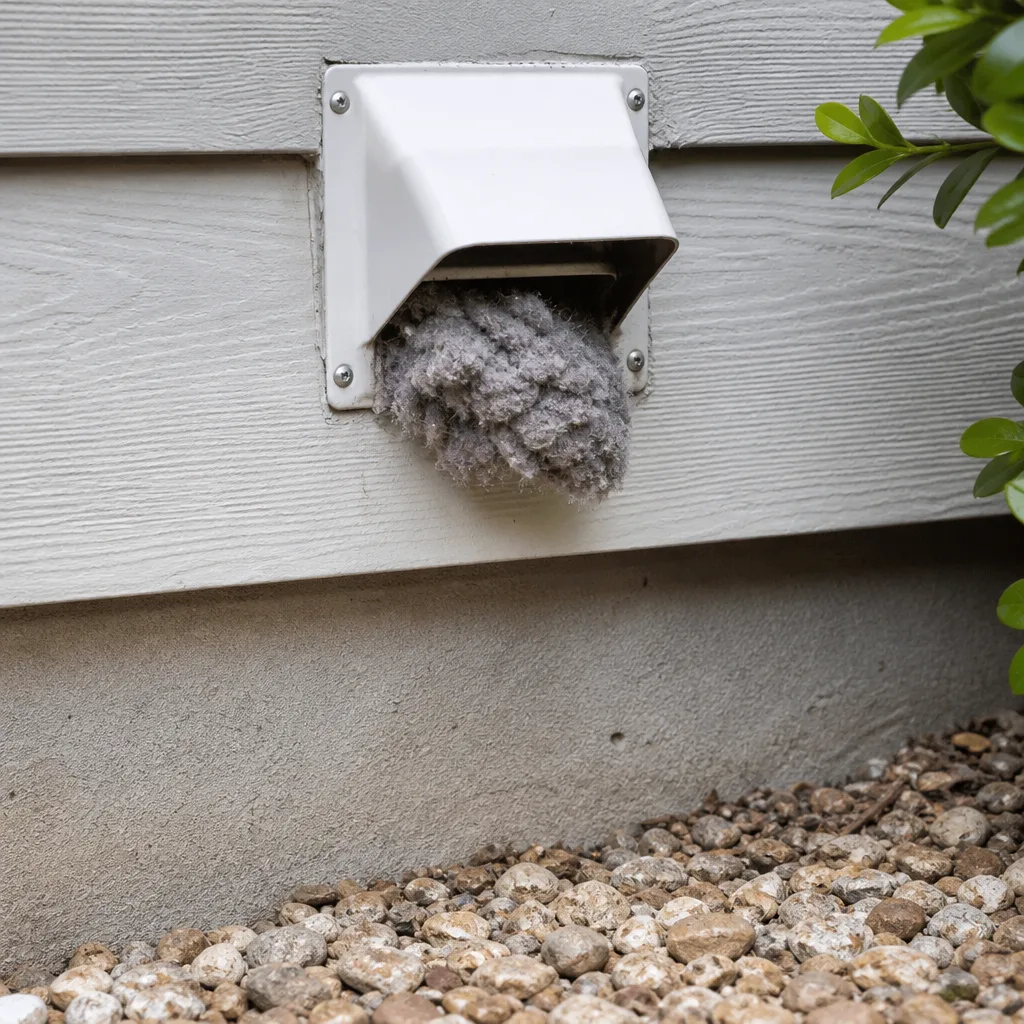 Dryer vent cleaning
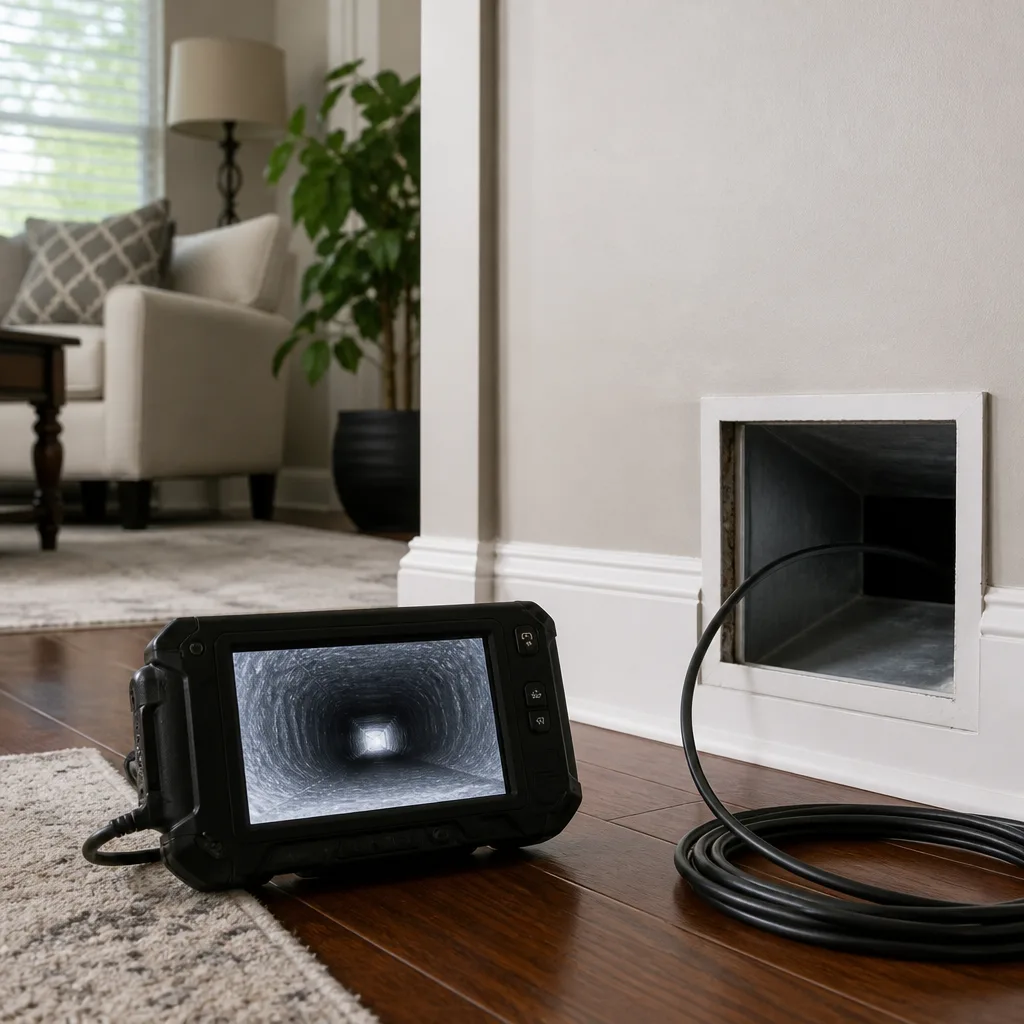 Camera inspection
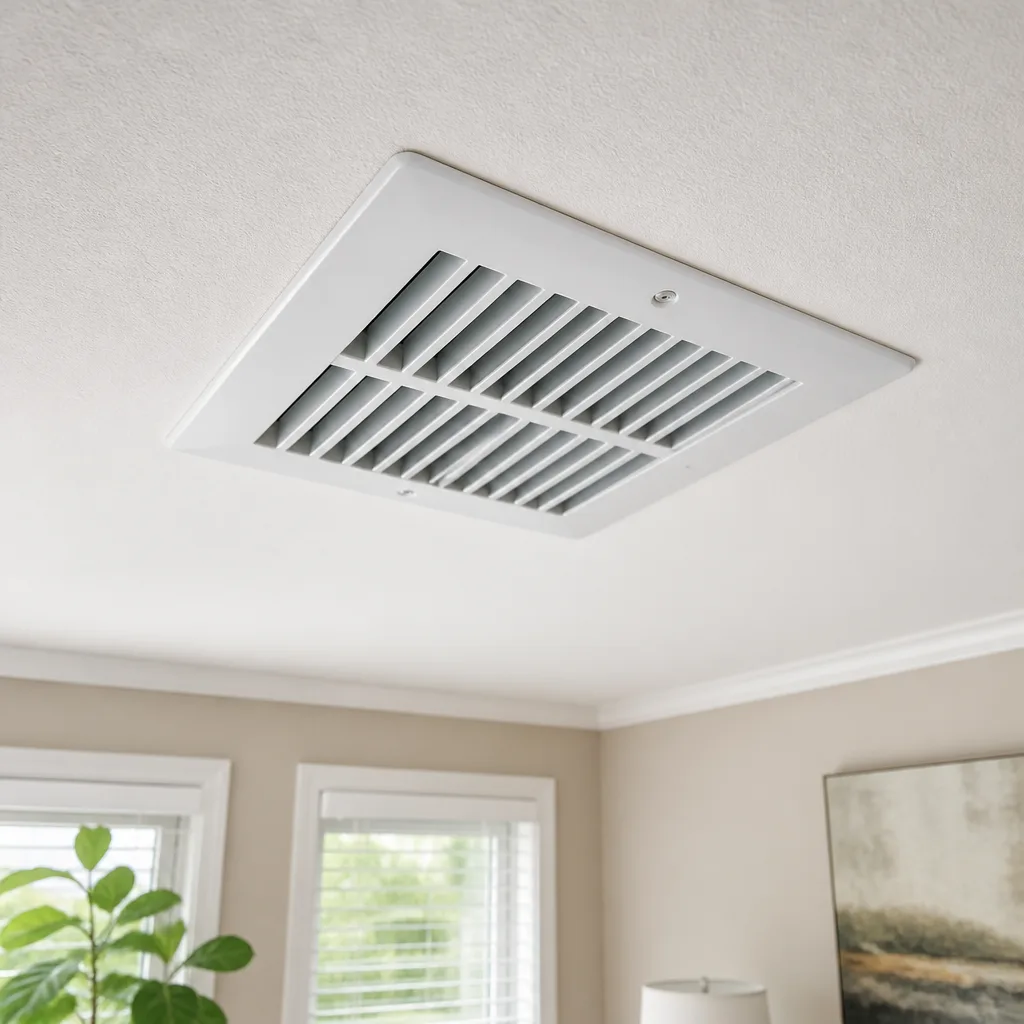 Sanitizing & deodorizing
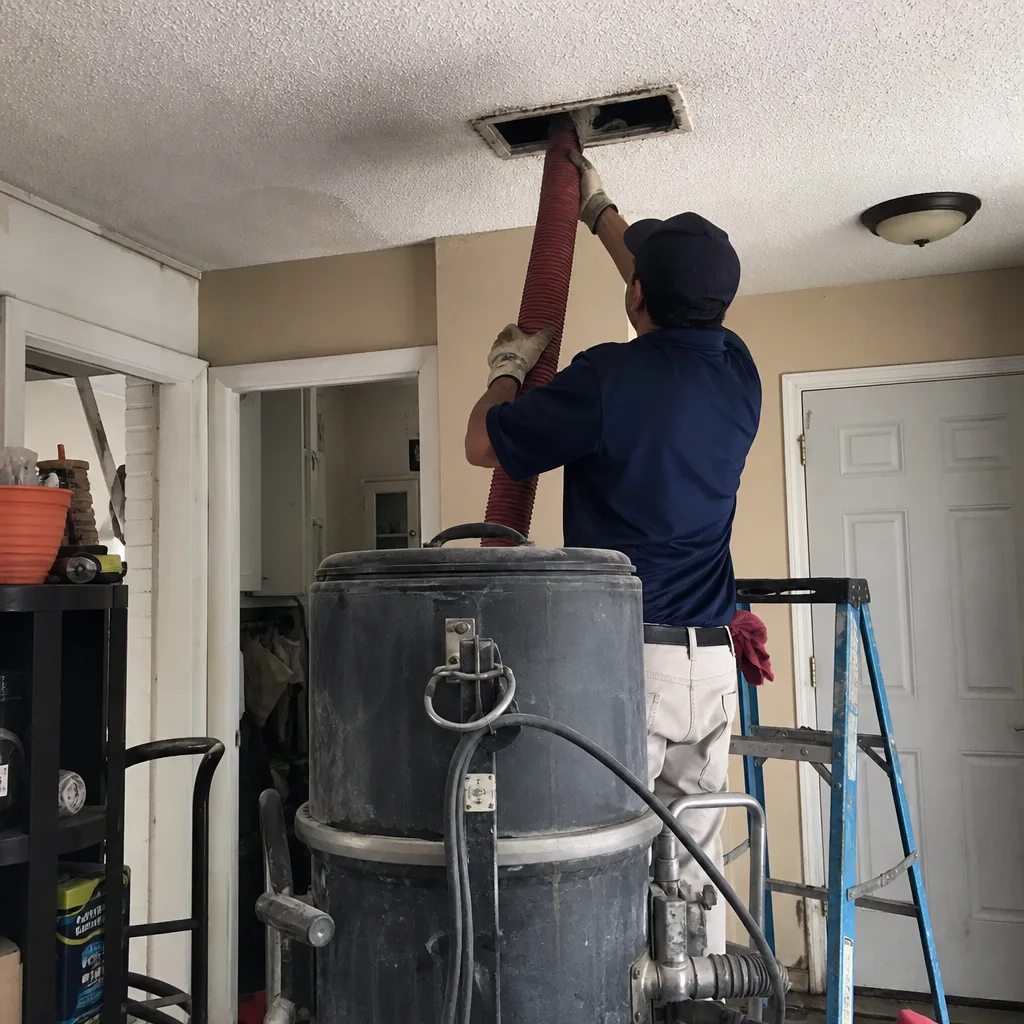
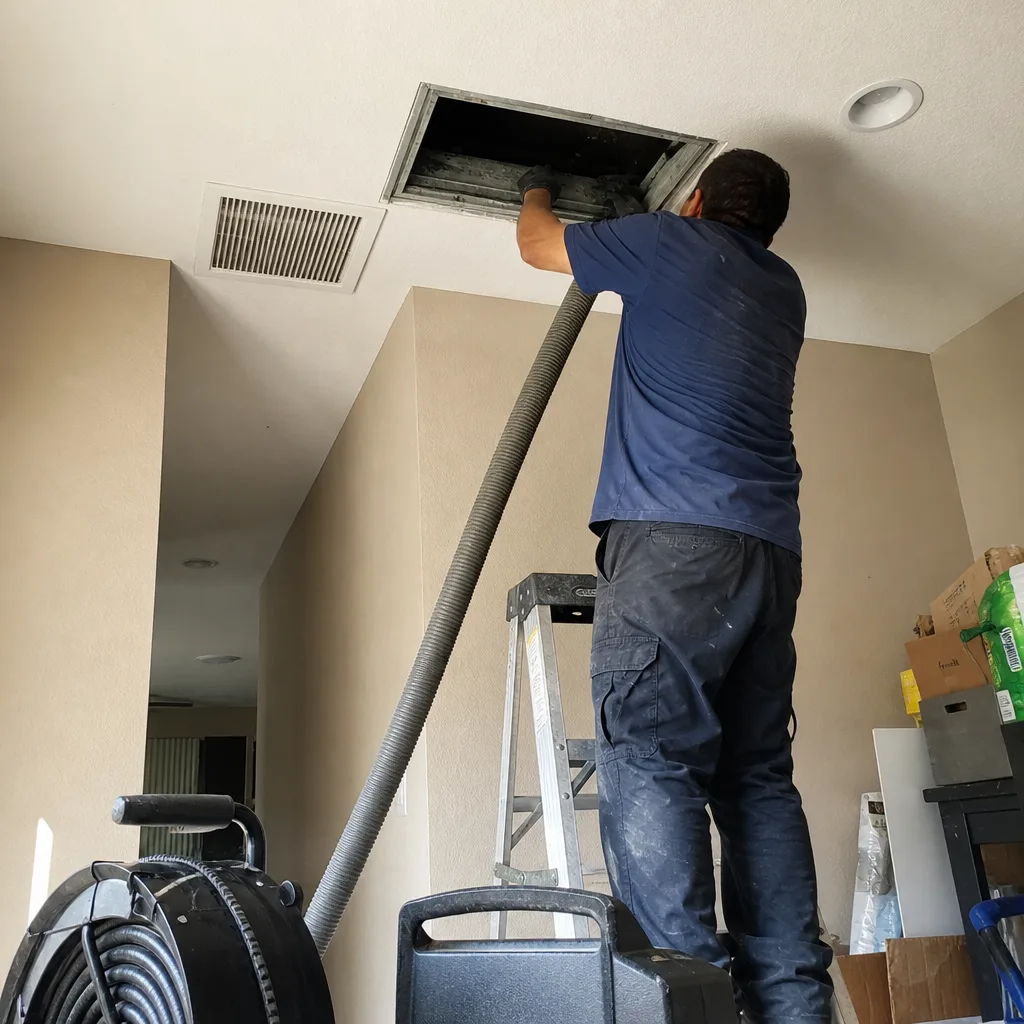
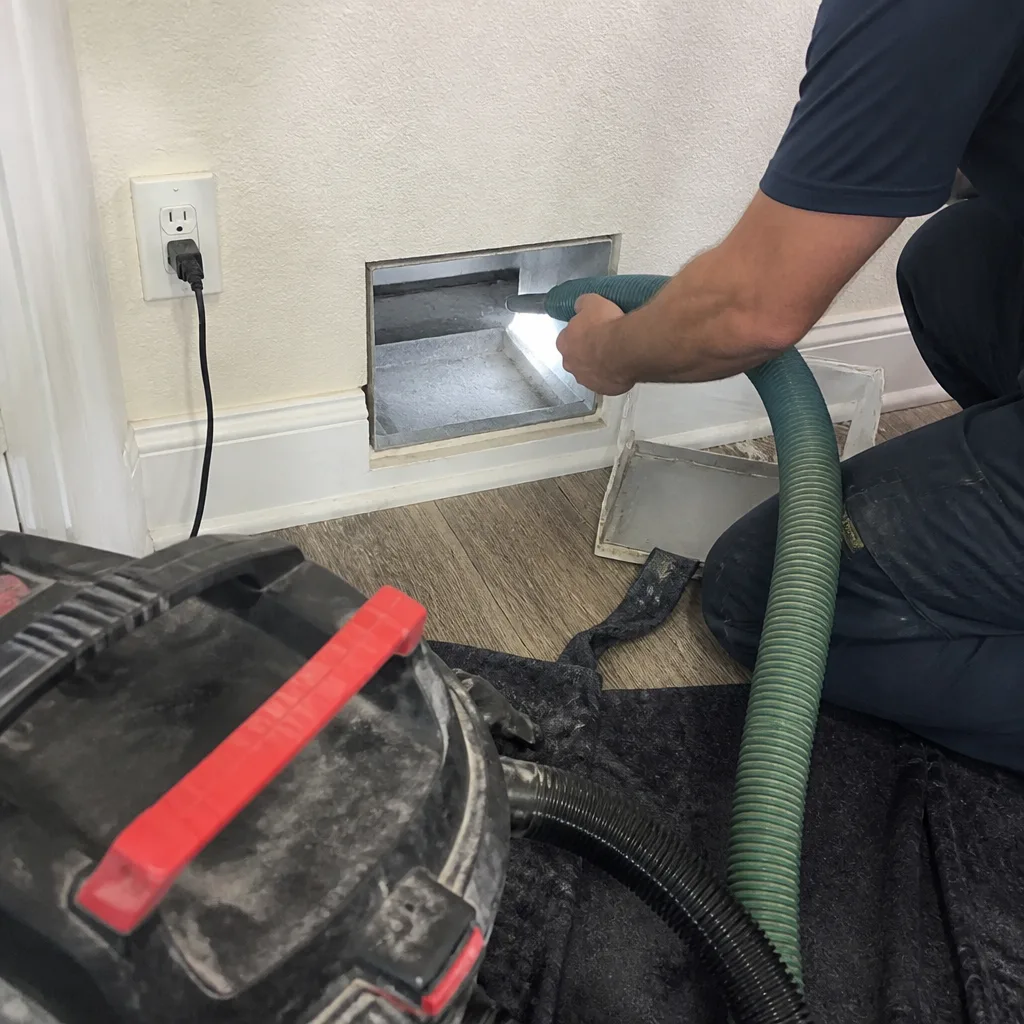
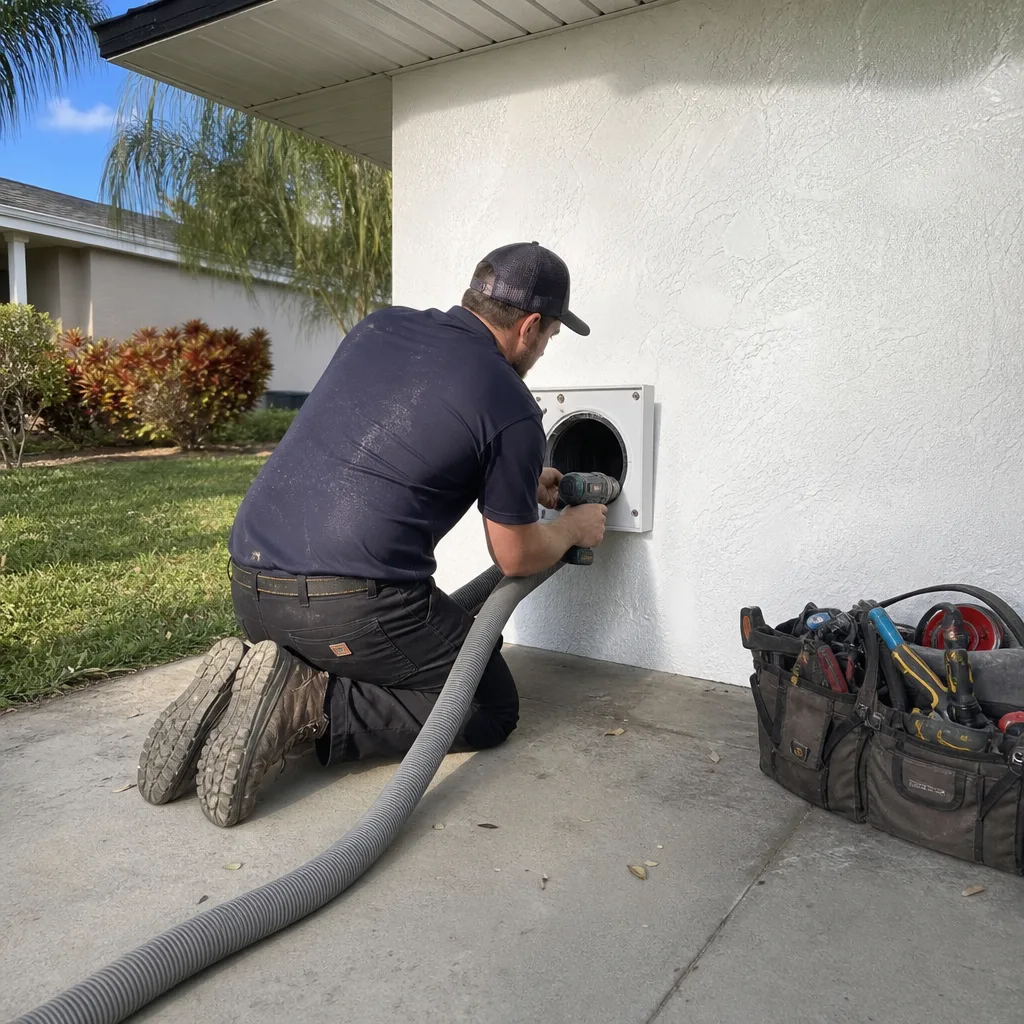
Whole-system duct and dryer vent check with before-and-after photos - you see exactly what came out of your vents
That "$99 whole-house special" is a bait ad - the real number appears once they are in your hallway, or the "clean" is a shop-vac at the register. We photograph the inside of your ducts before and after instead.
Air Duct Cleaning Warning Signs: A Tampa Homeowner’s Reference Guide
Dusty supply vents are one of the last things that indicate dirty ducts – by then, the filtration and airflow issues causing the dust have usually been running for months. This guide is different from the generic lists you’ll find elsewhere, including our The Complete Guide to Air Duct Cleaning in Tampa. We’re not going to tell you that a little dust on a vent cover means you need a full system cleaning. Instead, we’ll show you specific, measurable thresholds that actually indicate a cleaning is overdue versus a completely different problem, like an undersized return or a disconnected section. If you own a home in Tampa, you’re dealing with a climate that pushes your HVAC system harder than most of the country, which means the normal rules don’t always apply.
Styles & brands we work with
Quick Answer
You need Air Duct Cleaning services in Tampa if you see thick dust buildup on vent covers that reappears within days of wiping, notice a musty or mildew odor that gets stronger when the AC runs, or find that airflow from your vents is noticeably weaker than it was a year ago. A standard air duct cleaning for a typical Tampa home runs $450 – $700, and the work should take about 3 – 5 hours from setup to final walkthrough. If you’re seeing dust, smell something off, or your system just isn’t moving air like it used to, call (850) 403-3474 for a free estimate.
Table of Contents
- The Airflow Test: Is It Ducts, Filter, or Equipment?
- Mold, Mildew, or Dead Animal: Identifying Duct Odors
- Visible Dust Geometry: Normal Ring vs. Radial Streaking
- Tampa-Specific Factors: Humidity, Pre-2000 Homes, and Fiberglass Liner Degradation
- When It’s Not Dirty Ducts: Leakage, Disconnects, and Undersized Returns
- What Air Duct Cleaning Costs in Tampa
- Common Mistakes to Avoid
- When to Call a Professional
- Frequently Asked Questions
- The Bottom Line
The Airflow Test: Is It Ducts, Filter, or Equipment?
Reduced airflow is the most common reason Tampa homeowners call us about their ducts, and it’s also the symptom most likely to be misdiagnosed. The problem could be dirty ducts. It could also be a clogged filter, a failing blower motor, or a refrigerant issue. Before you call anyone, here’s a simple tissue test you can do in five minutes that tells you which category you’re dealing with.
You’ll need a standard two-ply tissue (the kind you’d find in a bathroom), a timer or phone, and about ten minutes. Here’s how it works:
- Turn your AC fan to the “on” position at the thermostat so the blower runs continuously, even if the compressor isn’t cycling.
- Hold a single ply of the tissue about 6 inches from the nearest supply vent. The tissue should lift to at least a 45-degree angle relative to the vent face. If it barely flutters or hangs limp, airflow is restricted somewhere in the system.
- Change your air filter and repeat the test. A clogged filter is the single most common cause of weak airflow, and it’s a $15 fix. If airflow returns to normal after a filter change, your ducts are probably fine.
- If airflow is still weak with a clean filter, check one more thing: open two or three additional vents in other rooms and repeat the test. Sometimes closing too many vents creates system-wide backpressure that mimics a duct problem.
- If airflow is still weak after a filter change and with multiple vents open, you’re likely dealing with either dirty ducts, duct leakage, or an equipment issue. This is the point where a professional inspection makes sense.
In our experience, about half the “duct cleaning” calls we get in Tampa turn out to be a $15 filter issue or a closed damper. We tell customers this because we’d rather you know the truth than pay for a service you don’t need. That said, if you’ve confirmed the filter is clean and the vents are open and airflow is still weak, dirty ducts become a much more likely culprit. A fully loaded duct system can reduce airflow by 30 – 40% in severe cases, which means longer run times, higher bills, and a system that works harder than it should.
Mold, Mildew, or Dead Animal: Identifying Duct Odors
Odors are the warning sign that causes the most anxiety, and for good reason: what you’re smelling is moving through the air you breathe. But not every duct smell is a reason to panic. Here’s how to tell the difference between the three most common duct odors we encounter in Tampa homes.
Mildew smell is the most common and the least dangerous. It’s a damp, earthy, slightly musty odor that’s strongest when the AC first kicks on and often fades after a few minutes. In Tampa’s humidity, this usually means condensation is accumulating somewhere in the system – typically in the drain pan, on the evaporator coil, or in the first few feet of ductwork near the air handler. Mildew indicates a moisture problem that should be addressed, but it does not usually require immediate evacuation of the home. Routine cleaning plus fixing the moisture source resolves it in most cases.
Mold smell is sharper and more pungent than mildew – think of wet cardboard that’s been sitting in a garage for a month. It does not fade when the system runs; it gets stronger. Mold in ductwork is a legitimate health concern, especially for anyone with asthma, allergies, or a compromised immune system. If you suspect mold in your ducts, shut the system down and call a professional immediately. Do not run the AC, because that spreads spores through the entire house. A proper response involves identifying the moisture source, professional cleaning with HEPA containment (this is where equipment like Abatement Technologies containment units matters), and possibly replacement of affected duct sections.
Dead animal smell is in its own category. It’s stomach-turning, unmistakable, and gets worse over several days before slowly improving. In Tampa, this is usually a rodent or lizard that found its way into an unsealed duct connection and couldn’t get out. The smell is localized to one or two rooms – whichever vents are downstream from the carcass. This requires physical removal, not duct cleaning. A technician will need to locate the section of ductwork, remove the animal, sanitize the area, and then seal whatever gap allowed it to enter in the first place.
The key distinction: mildew fades, mold intensifies, and dead animal is localized and nauseating. If what you’re smelling is constant and smells distinctly “off” in a way you haven’t experienced before, call a professional for air duct cleaning in Tampa before running your system further.
Visible Dust Geometry: Normal Ring vs. Radial Streaking
Every vent cover in Tampa eventually develops some dust. That’s normal, and it’s not a reason to schedule a cleaning. What matters is the pattern the dust makes. Understanding this distinction will save you from paying for a cleaning you don’t need – or ignoring a genuine problem that’s been running for months.
Normal duct-ring dust appears as a thin, even ring or band of fine gray dust around the perimeter of the vent cover, right where the cover meets the ceiling or wall. This is caused by the natural pressure differential at the vent edge pulling room air particles toward the opening. It’s cosmetic. Wipe it off with a damp cloth and move on. In a well-filtered system, this ring develops slowly over months.
Radial streaking is different and much more serious. Imagine the vent as a sun, with visible streaks of dust radiating outward from the opening across the ceiling or wall surface, following the airflow pattern. These streaks are not random room dust settling. They’re particles being pushed out of the duct system itself. The duct interior has accumulated enough debris that supply air is actively carrying it into your living space. This is what we call active particle blowout, and it’s the clearest visual indicator that a duct cleaning is genuinely overdue.
There’s also stippling, which is a uniform speckling of tiny dark particles across the ceiling around the vent – often mistaken for mold but usually carbon or soot particles from a deteriorating filter or from years of candle burning and cooking. Stippling suggests the system lacks adequate filtration and is recirculating fine particulate matter. The fix may be a better filter (we often recommend Aprilaire media filters for Tampa homes with allergy concerns), not necessarily a duct cleaning.
If you’re seeing radial streaking, don’t ignore it. That visual pattern means debris inside the ducts has reached a critical mass. A professional cleaning with negative-pressure extraction – that means the loosened debris goes straight into the vacuum, not back into your living room – addresses the cause, not just the symptom.
Tampa-Specific Factors: Humidity, Pre-2000 Homes, and Fiberglass Liner Degradation
Tampa isn’t like most markets. The humidity, the cooling-dominant season, and the age of our housing stock all create conditions that accelerate duct contamination in ways that generic “should you clean your ducts” guides don’t address. Here’s what actually matters for a homeowner in Tampa.
Humidity is the multiplier. Ducts get dirty faster in humid climates because moisture makes dust adhesive. The same particle load that would pass through a dry duct system in Phoenix or Denver will stick to the walls of a duct in Tampa. That’s not a marketing claim – it’s physics. When dust sticks, it builds. When it builds, it creates a rough surface that traps more dust. The cycle compounds. We regularly see Tampa homes accumulate visible interior duct coating in 5 – 7 years that would take 10+ years to develop in a dry climate.
Pre-2000 homes are in a different risk category. If your Tampa home was built before 2000 and has never had its ducts cleaned, there’s a meaningful statistical likelihood of fiberglass liner degradation. Fiberglass-lined ductwork was standard in Florida construction for decades because the liner provides both thermal insulation and sound dampening. But that liner has a lifespan. After 20 – 30 years of humidity cycling, the fiberglass surface begins to break down. You may not notice it visually, but you might notice it physically: fiberglass particles escaping into your air supply can cause skin irritation, eye irritation, and respiratory symptoms that mimic allergies. On inspection, degraded liner looks like a dull, pitted surface rather than the slightly glossy sheen of intact fiberglass. In severe cases, you’ll see visible fibers protruding from the duct interior. The fix is duct replacement, not cleaning – but cleaning is how you find out the liner has failed.
Cooling-dominant operation means your ducts rarely dry out. In a heating climate, the winter furnace cycles dessicate the system and inhibit microbial growth. Tampa doesn’t have that reset. Your AC runs for 9 – 10 months a year, condensation forms constantly, and the interior of your ductwork stays in a semi-humid state for most of the year. This is why we recommend that Tampa homeowners think about duct inspection and cleaning on a shorter interval than national guidelines suggest: 3 – 5 years is a reasonable benchmark for a typical home, and 2 – 3 years for homes with pets, smokers, recent renovations, or documented allergy issues.
When It’s Not Dirty Ducts: Leakage, Disconnects, and Undersized Returns
Here’s something most duct cleaning companies won’t tell you: some of the signs that point toward dirty ducts are actually signs of a different problem entirely, and cleaning won’t fix them. See our DIY vs Professional Air Duct Cleaning: The Tampa Homeowner’s Decision Guide for help deciding when to call in the pros. Recognizing these scenarios saves you from paying for a service that can’t solve your underlying issue.
Duct leakage is endemic in Florida homes. The Florida Solar Energy Center has estimated that the average Florida home loses 15 – 25% of conditioned air through duct leaks before it ever reaches a register. If you notice some rooms are consistently hotter than others, your energy bills have crept up despite no change in usage, or you can feel air moving in your attic on a still day, you may have duct leakage rather than dirty ducts. Cleaning won’t fix a leak. Leak sealing will. A good technician will identify this during the inspection phase and tell you honestly that cleaning is the wrong service for your problem.
Disconnected sections create symptoms that look a lot like “dirty ducts” to the untrained eye: weak airflow at certain vents, dust appearing in specific rooms, and the system running longer than it should. A disconnected flex duct in the attic essentially means you’re paying to condition your attic while your living room gets almost nothing. This is common in older Tampa homes where original flex duct connections have separated due to heat degradation of the adhesive tape. Crawling into the attic and visually inspecting each duct connection is the only real diagnostic – and if you’re doing that, you should probably have a professional do it, because flex duct is easy to damage and fiberglass is unpleasant to work around.
Undersized returns are a design problem, not a contamination problem. If your system struggles to maintain temperature, makes a loud “whoosh” sound at the return grille, or causes doors to slam when the system cycles, your return ducting may simply be too small for the air volume your system is trying to move. Symptoms include poor airflow at the supply vents even when the system is running at full speed – which is the same symptom as dirty ducts. The difference is that cleaning won’t change anything about it. An undersized return requires a mechanical assessment and potentially adding return capacity. This is a job for an HVAC contractor, but a competent duct cleaning company should be able to identify the issue and tell you honestly what you’re looking at.
At Cardinal Air Duct Tampa home, we include a visual inspection of accessible ductwork as part of every estimate. If we see leakage, disconnection, or sizing problems, we’ll tell you before we ever quote a cleaning. The right diagnosis matters more than the right service.
What Air Duct Cleaning Costs in Tampa
You shouldn’t have to guess what a service costs, and you shouldn’t have to call three companies to get a straight answer. Here’s what we see in the Tampa market for air duct cleaning, based on current pricing in 2025.
Most standard air duct cleanings for a typical Tampa home (a 1,500 – 2,500 square foot house with 8 – 12 vents and a single air handler) run $450 – $700. Larger homes with multiple systems, or homes with significant contamination, can run higher. The following breakdown reflects what you can reasonably expect, including the variance and what drives it:
- Single-family home, 1,500 – 2,000 sq ft (8 – 10 vents): $450 – $550
- Single-family home, 2,000 – 3,000 sq ft (10 – 14 vents): $550 – $700
- Larger home, 3,000+ sq ft or multiple air handlers: $700 – $1,100
- Add-on: dryer vent cleaning: $89 – $150 when bundled with a duct cleaning
- Add-on: coil cleaning (evaporator coil): $150 – $250 when bundled
Every Cardinal Air Duct Tampa job includes a written price before work begins, and that price does not change at the door. You’re handed the number before a single duct is touched. We don’t quote a low teaser price and then “discover” additional charges once we’re inside. The price you sign off on is the price you pay.
If you’re comparing quotes in Tampa, ask each company these three questions: Does the price include the return side and the supply side, or just one? Does it include the air handler and plenum, or just the duct runs? Is the cleaning method source-removal with HEPA extraction, or is it a “contact cleaning” that just brushes the walls? The answers will tell you why some quotes are $300 and others are $600, and they’ll also tell you which companies are actually planning to clean your entire system versus which are planning to clean the most accessible 40% and call it done.
For a full breakdown of our cleaning services, see Air Duct Cleaning in Tampa.
Common Mistakes to Avoid
- Treating a $15 filter as a $600 cleaning. The first thing we do on nearly every Tampa service call is check the filter. If it’s packed with dust and your airflow is weak, change it, wait 24 hours, and see if the symptoms improve before booking a duct cleaning.
- Cleaning ducts without fixing the moisture problem. In Tampa’s climate, condensation is the root cause of most microbial growth in ducts. Cleaning without addressing the humidity source (drain pan overflow, poor attic ventilation, duct sweating) just resets the clock on the next problem.
- Hiring based on the lowest quote without asking about method. There’s a world of difference between a truck-mounted vacuum that pulls negative pressure on the entire system and a hand vacuum attached to a shop brush. If the company can’t explain their method, keep looking.
- Ignoring radial streaking because “dust is normal.” Normal vent dust wipes off and takes weeks to return. Radial streaking that reappears within days of wiping is active particle blowout and signals a genuine duct contamination problem.
- Assumed HVAC cleaning and duct cleaning are the same thing. They’re related but distinct services. Duct cleaning addresses the distribution network. HVAC Cleaning in Tampa addresses the equipment itself – coil, blower, drain pan. If you have both problems, you need both services.
- Forgetting the dryer vent. Dryer vent fires are a real, documented risk in American homes, and Tampa’s humid climate accelerates lint buildup. If you’re having your ducts cleaned, add Dryer Vent Cleaning in Tampa to the same appointment and stop worrying about it.
- Relying on the “5-year national average” rule. National guidelines weren’t written for Tampa’s humidity. In our experience, most Tampa homes benefit from inspection at 3 years and cleaning at 3 – 5 years, with more frequent intervals for homes with pets or high occupancy.
When to Call a Professional
Call a professional if you’ve done the airflow test with a clean filter and airflow is still weak, if you see radial streaking around your vents that returns quickly after cleaning, if you smell mold that intensifies when the system runs, or if you suspect a dead animal in the ductwork. You should also call if your home was built before 2000 and has never had duct cleaning, if you’ve completed a renovation in the last year, or if you simply want to know what’s inside your ducts before you decide whether cleaning makes sense. For more guides & resources, visit our blog. Cardinal Air Duct Tampa offers free estimates throughout the Tampa area – call (850) 403-3474 and we’ll schedule a time that works for you.
Frequently Asked Questions
Air duct cleaning in Tampa typically costs $450 – $700 for a standard single-family home with 8 – 12 vents and one air handler. Larger homes with multiple systems can run $700 – $1,100. The price you’re quoted should include the supply side, return side, air handler, and plenum – not just the accessible duct runs. Call (850) 403-3474 for a free estimate on your specific home, and you’ll get a written price before any work begins.
Cheaper quotes usually mean a narrower scope: supply ducts only (no return side, no air handler), a contact-only method that brushes duct walls without HEPA extraction, or a company that plans to upsell you once the technician arrives. A legitimate full-system source-removal cleaning with professional equipment like Rotobrush brush systems and Nikro HEPA vacuums costs what it costs. If one quote is 50% below the others, ask what’s being left out.
Ask for before-and-after photos of your duct interiors. Any company running professional equipment will document the work. At Cardinal Air Duct Tampa, every job includes photo documentation as part of The Relay Standard – you’ll see the inside of your ducts before we start and after we finish. If a company can’t or won’t show you what was done, that’s an answer in itself.
For most Tampa homes, every 3 – 5 years is a reasonable interval. Homes with pets, smokers, recent renovations, or residents with significant allergies should consider every 2 – 3 years. Tampa’s humidity accelerates particle adhesion inside ducts compared to dry climates, so national “every 5 – 7 years” guidance runs long for our market.
Duct cleaning can reduce the total particulate load circulating through your home, which helps some allergy sufferers. But it’s one part of a larger picture. Pairing duct cleaning with a higher-efficiency media filter (like an Aprilaire unit) and addressing any moisture issues will do more for indoor air quality than cleaning alone. If allergies are your primary concern, we’ll tell you honestly whether duct cleaning is the right lever or whether filtration upgrades make more sense first.
Usually not. Uneven heating and cooling typically indicates duct leakage, a disconnected section, or inadequate balancing – not contamination. Dirty ducts reduce overall airflow to the entire system, not specific rooms. If one room is consistently 5+ degrees different from adjacent rooms, ask a professional to inspect for leaks or disconnections before assuming duct cleaning is the answer.
The Bottom Line
Dusty vents are the last sign, not the first. The warning signs that actually matter are measurable: airflow that fails the tissue test with a clean filter, odors that get stronger when the AC runs, radial streaking that returns quickly after wiping, and a home built before 2000 that has never been inspected. If you’re in Tampa, your ducts are working harder than the national average suggests, and your inspection timeline should reflect that. When you’re ready for an honest answer about what’s in your ducts, call (850) 403-3474 and we’ll give you a straight diagnosis and a written price before any work starts.
Written by Omar Haddad, Owner at Cardinal Air Duct Tampa, serving Tampa since 2005.
See the difference
 Before
 After
After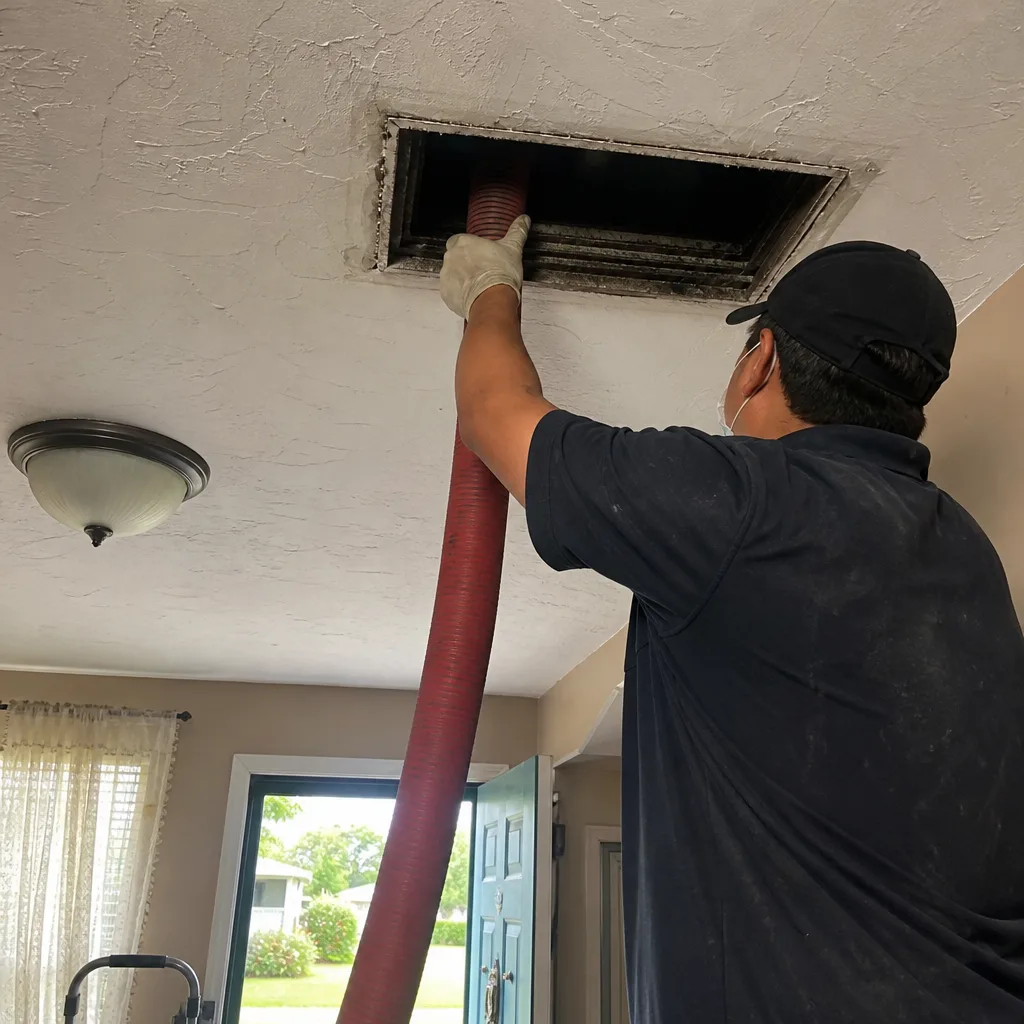 Before
 After
After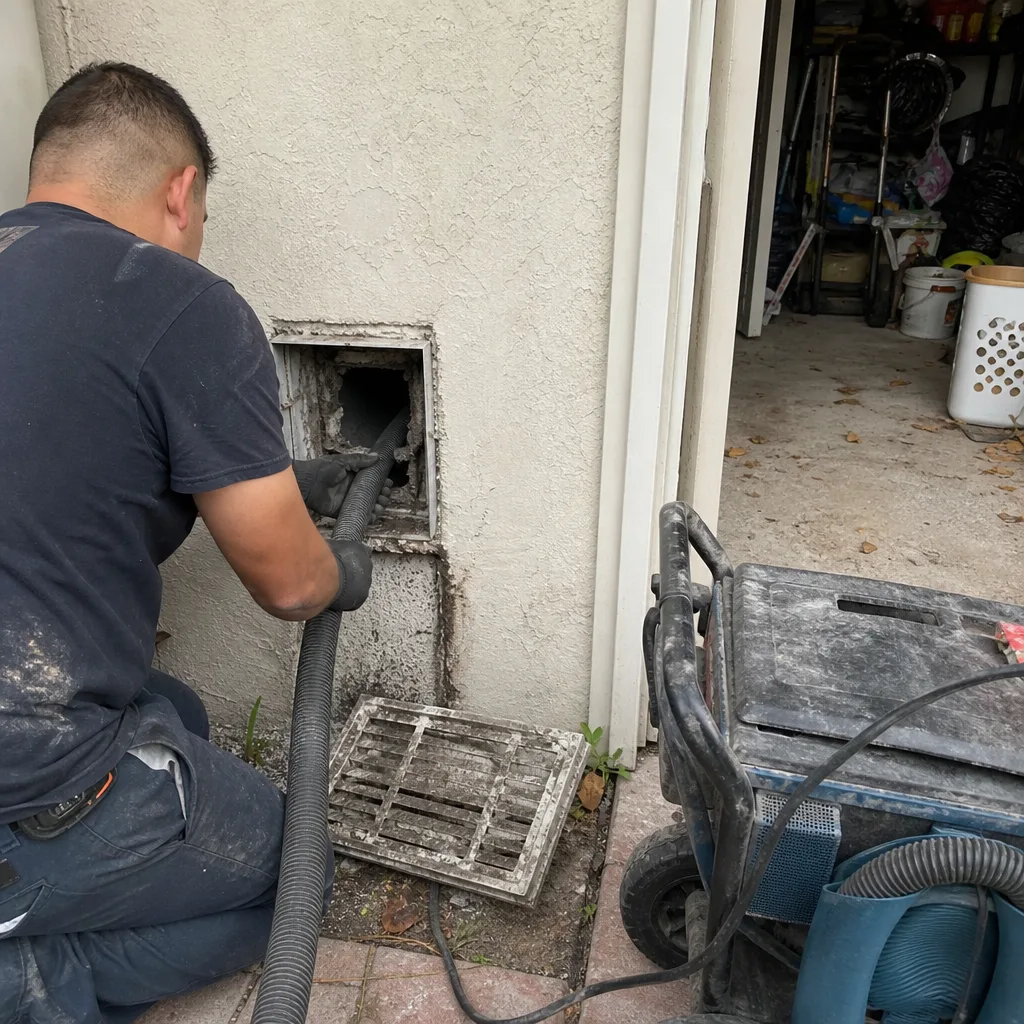 Before
 After
After