
Last updated October 15, 2026
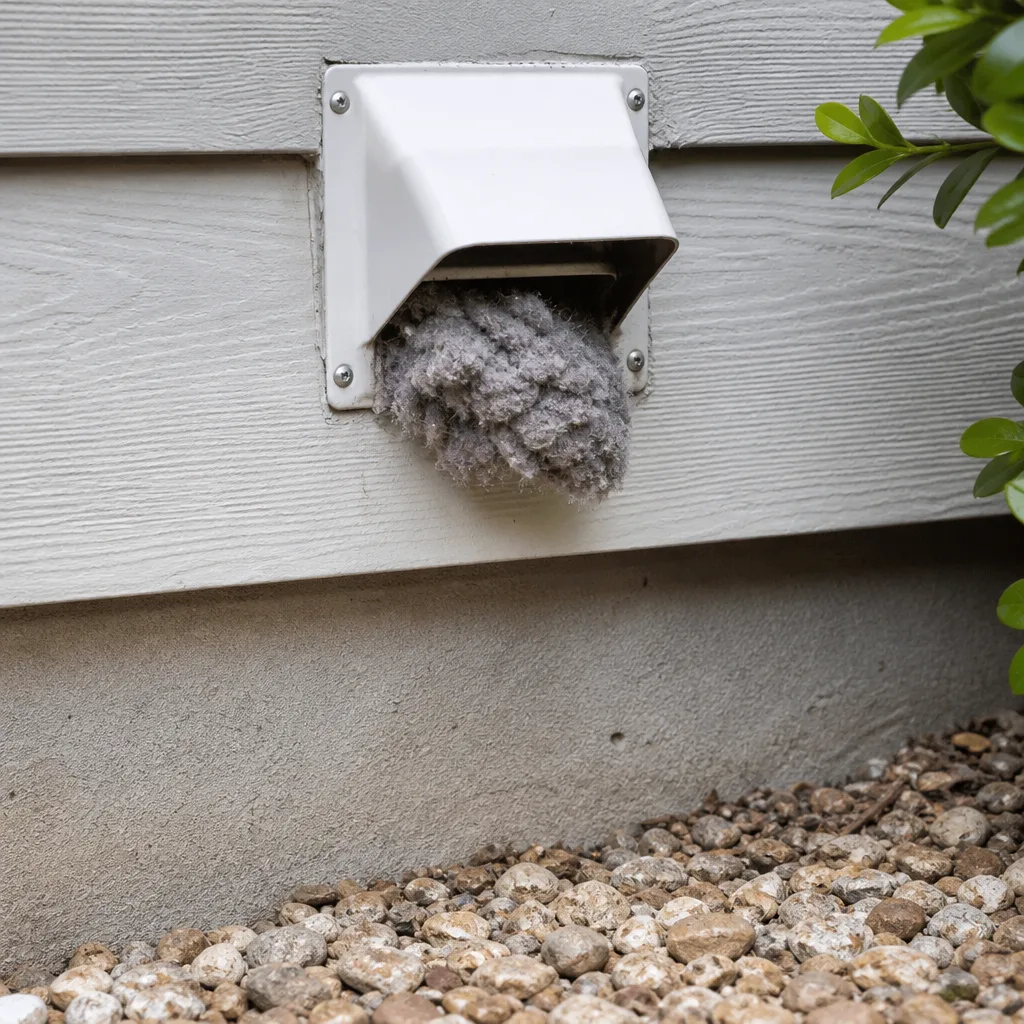 Dryer vent cleaning
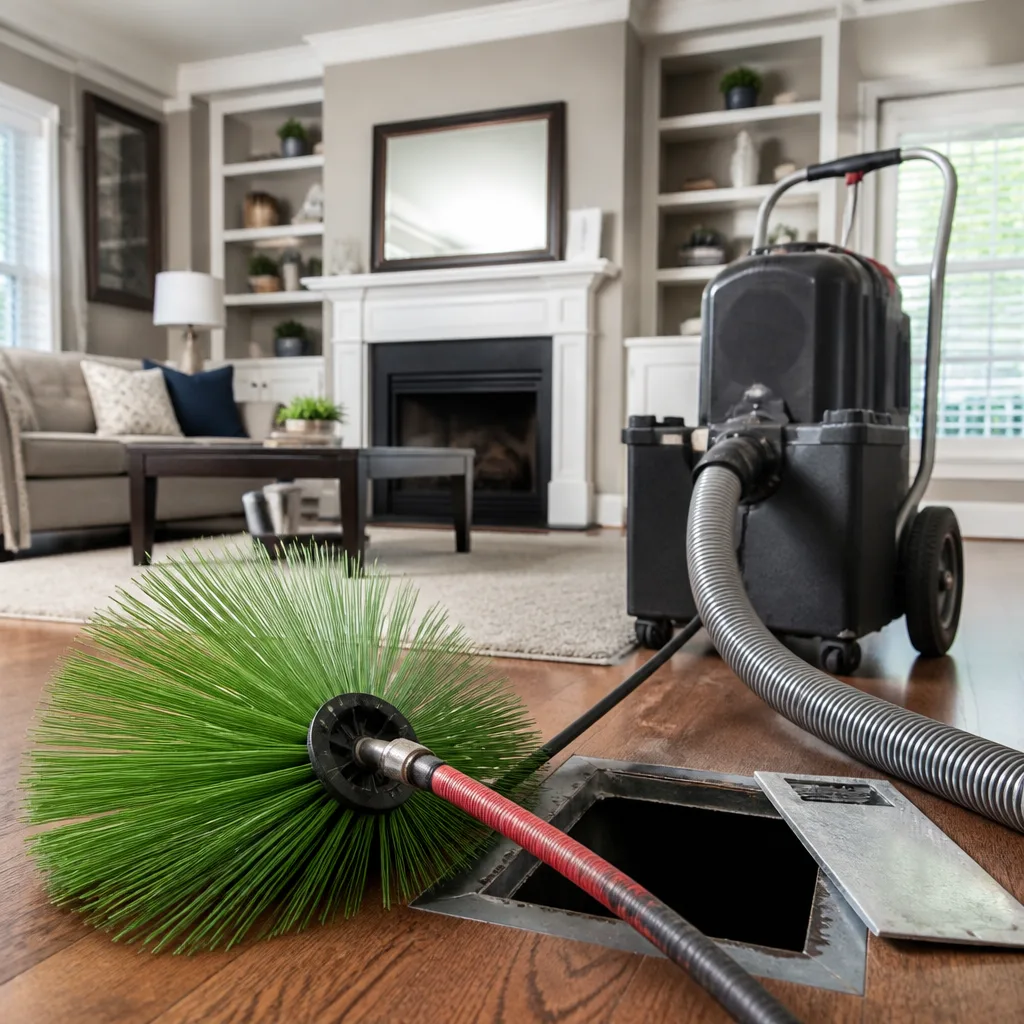 Whole-home duct cleaning
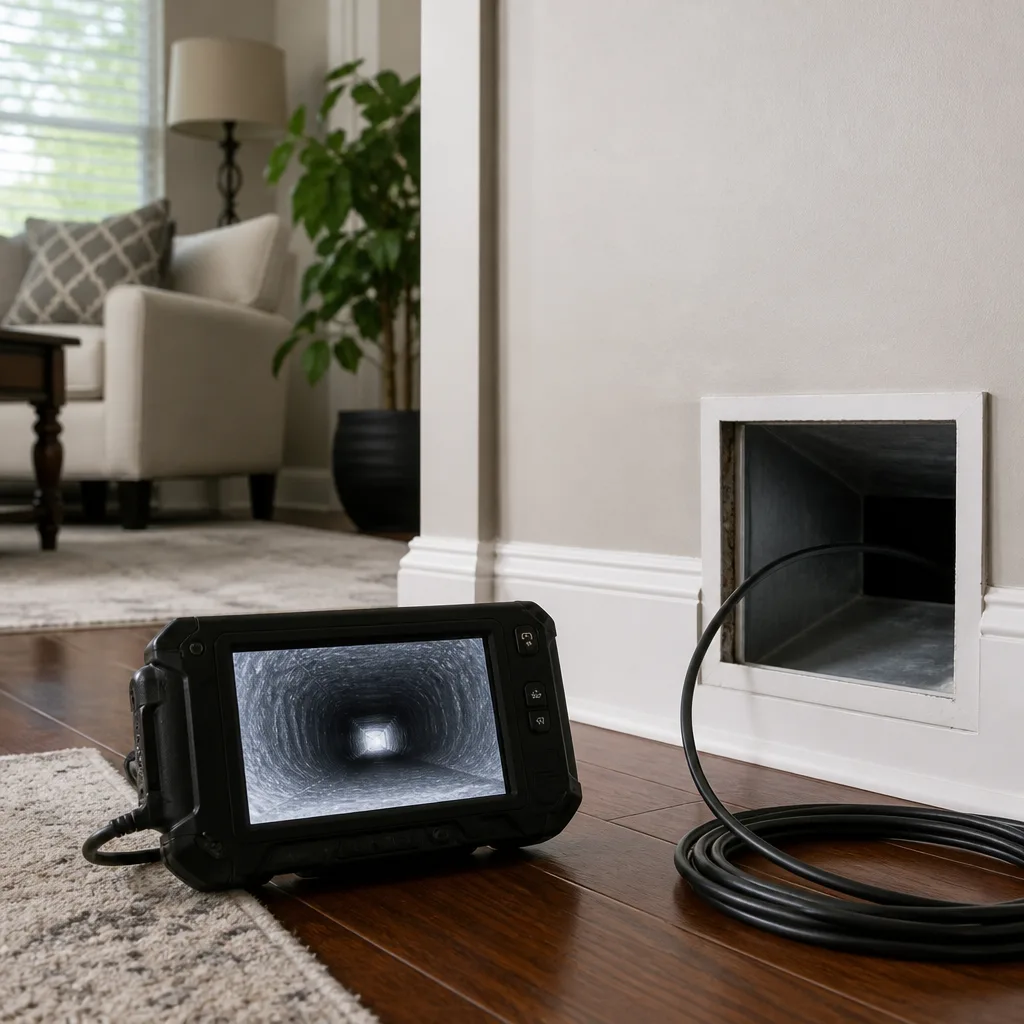 Camera inspection
 Sanitizing & deodorizing
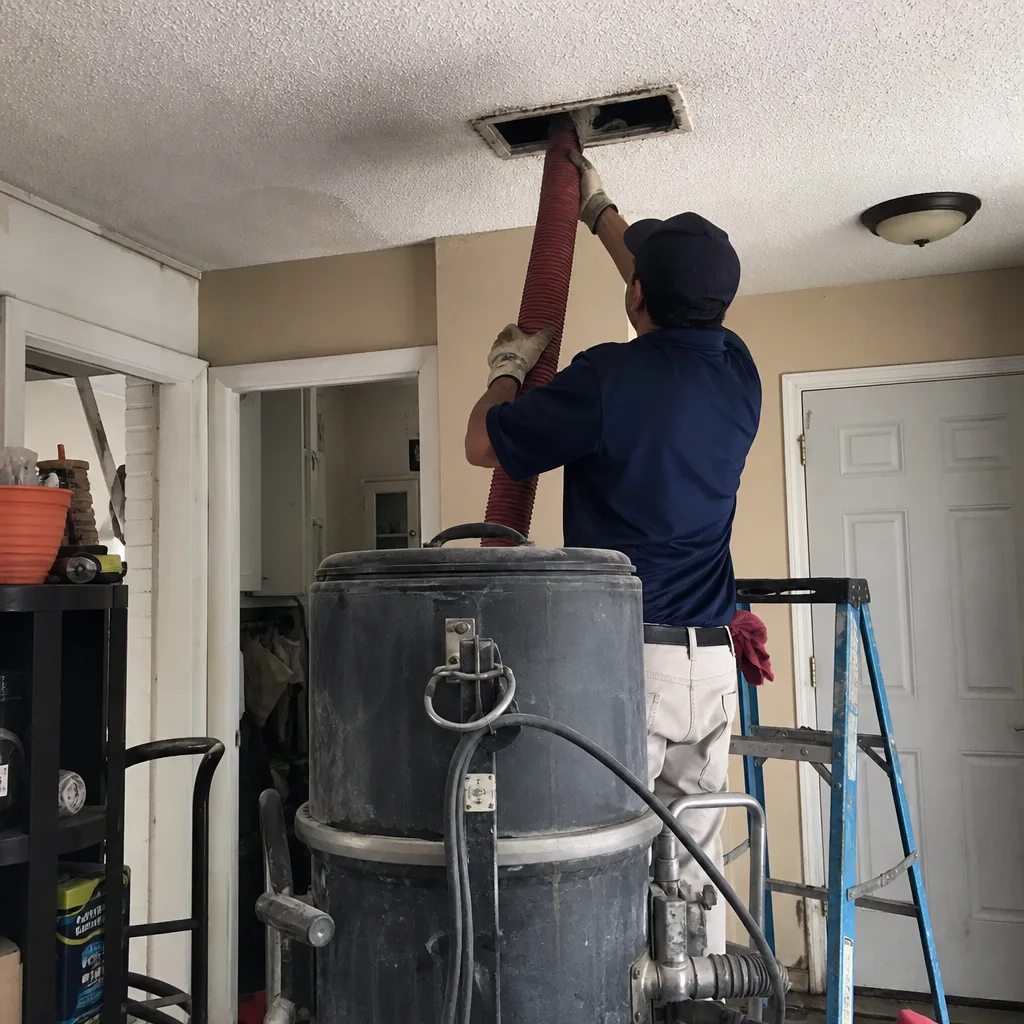
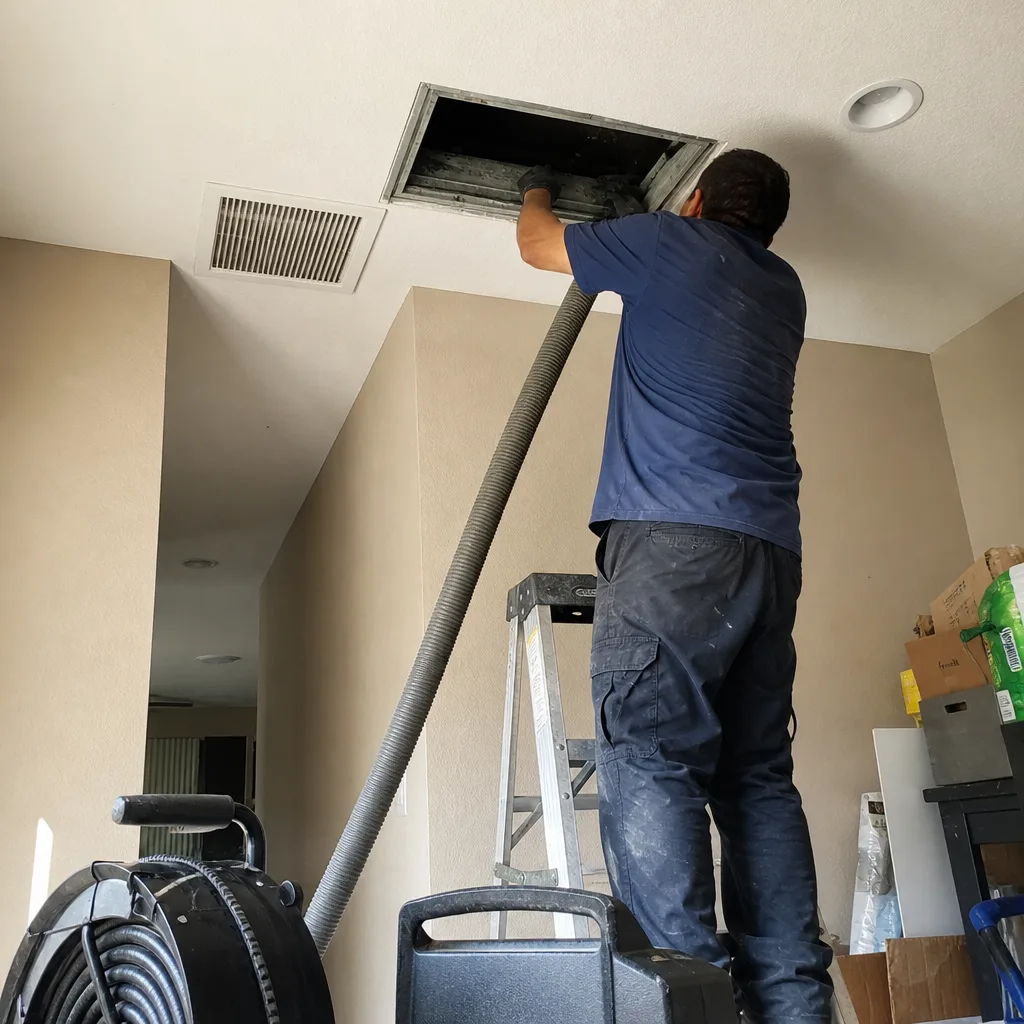
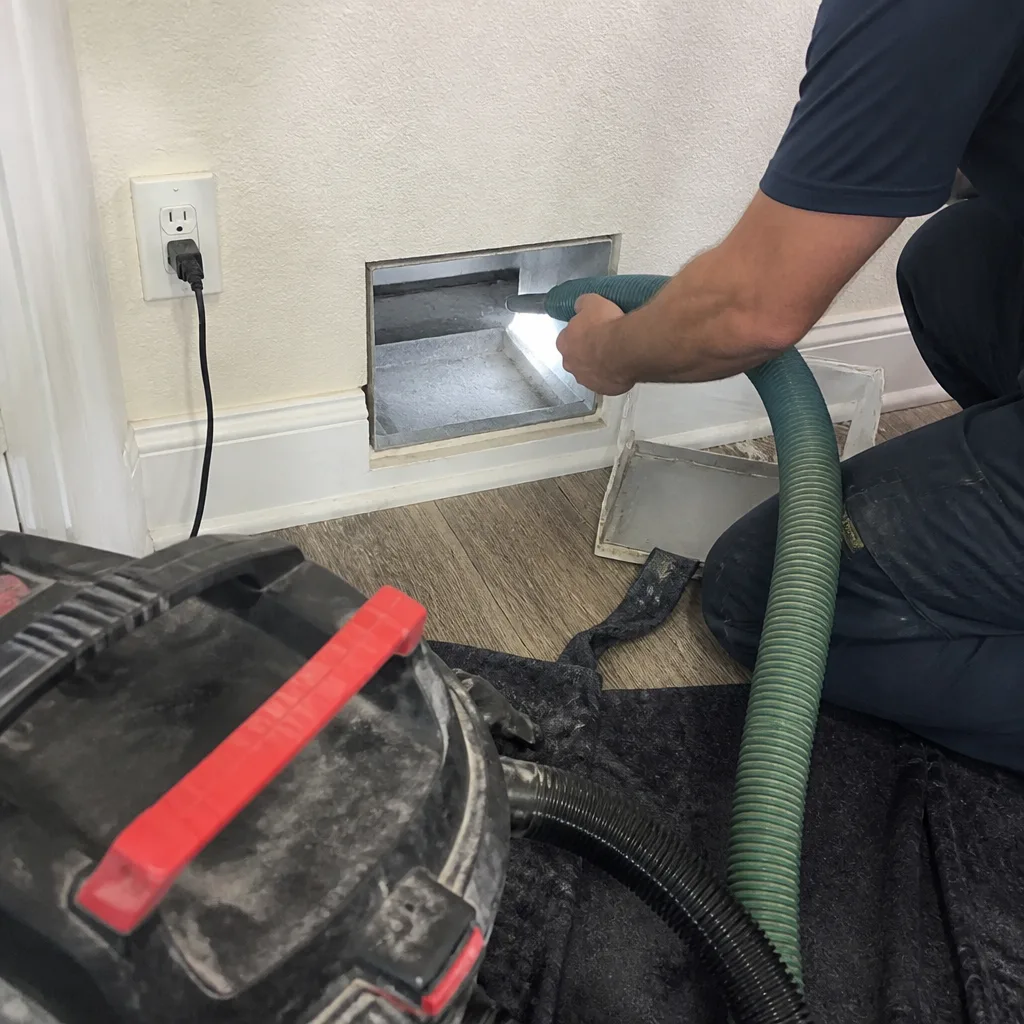
Whole-system duct and dryer vent check with before-and-after photos - you see exactly what came out of your vents
That "$99 whole-house special" is a bait ad - the real number appears once they are in your hallway, or the "clean" is a shop-vac at the register. We photograph the inside of your ducts before and after instead.
Dryer Vent Cleaning Maintenance Checklist for Tampa Homeowners
The U.S. Fire Administration reports that dryers cause nearly 2,900 house fires every year, and the leading cause isn’t a faulty machine. It’s a vent line that was never cleaned. In Tampa, where heat and humidity push most households into five or more laundry cycles a week, that lint builds faster than the national average, which means the standard “once a year” advice undershoots a lot of homes here. This Dryer Vent Cleaning checklist gives you a maintenance schedule built on actual usage math, not a calendar guess.
Styles & brands we work with
Quick Answer
Most Tampa homeowners should clean their dryer vent every 6 to 10 months, not once a year, because the city’s heat and humidity create more laundry cycles and faster lint accumulation. A household doing 7 or more loads per week with a duct run longer than 10 feet likely needs cleaning every 6 months. Use the monthly 5-point check below to confirm your interval is actually working.
Table of Contents
- How to Calculate Your Real Cleaning Interval
- Tampa-Specific Install Problems That Trap Lint Faster
- The 5-Point Monthly DIY Check (Under 10 Minutes)
- When a Hardware Store Rod Kit Is Enough vs. When You Need Rotary Cleaning
- What a Written Post-Service Airflow Reading Should Show
- What Dryer Vent Cleaning Costs in Tampa
- Signs Your Vent Is Already Partially Blocked
- Common Mistakes to Avoid
- When to Call a Professional
- Frequently Asked Questions
- The Bottom Line
How to Calculate Your Real Cleaning Interval
The once-a-year rule is a national average, and your house doesn’t run on national averages. It runs on how many loads you wash, how long your duct run is, and how humid your air is. In Tampa, all three factors usually point toward more frequent cleaning. Here’s the formula we use when customers ask us how often their specific home needs service.
Start with your weekly load count. A household of two adults doing 3 to 4 loads per week generates roughly 15 to 20 pounds of lint per year, most of which exits through the vent. A family of four doing 7 to 9 loads per week can easily double that. Now factor in duct run length: a short, straight 5-foot run from dryer to exterior wall clears lint faster than a 15-foot run with two elbows, which gives lint more surface area to snag on. Finally, add Tampa humidity. Moist air makes lint heavier and stickier, so it clumps inside the duct instead of blowing through it.
Here’s a simple calculation:
- Count your weekly loads. Include towels, bedding, workout gear, everything.
- Measure (or estimate) your duct length from dryer to the exterior vent cap.
- Count the elbows (turns) in the run. Each 90-degree turn adds roughly 5 feet of effective length.
- Apply the rule: under 5 loads per week with a short, straight run = clean every 12 months. Five to 7 loads with a longer run = clean every 8 to 10 months. More than 7 loads or any run over 10 feet with turns = clean every 6 months.
If you’re in a slab-built home in neighborhoods like Carrollwood, Westchase, or New Tampa, your dryer vent likely runs through the slab or a low attic space, which we’ll get into next. Those runs tend to be longer and trap more lint than vertical runs in two-story homes, so bump your frequency up a notch if that’s your setup.
Tampa-Specific Install Problems That Trap Lint Faster
Most of Tampa’s single-family housing stock was built between 1960 and 2005, and a lot of those homes share a specific weakness when it comes to dryer vents: flat flex duct. This is the thin, foil-like tubing with visible spiral ridges that builders installed by the mile because it was cheap and fast to run through tight spaces. It’s also terrible at moving lint.
The ridges inside flat flex duct create hundreds of tiny catch points. Every time moist, warm lint passes through, a little sticks, then the next wave sticks to that, and over time the interior diameter shrinks from 4 inches down to 2 inches or less. We’ve pulled vent lines in South Tampa homes that were 70 percent blocked after just eight months of normal use because the entire run was flat flex duct snaked through a slab chase with two hard turns.
Two-story builds, by contrast, often have vertical vent runs that exit through the roofline or an upper wall. Gravity works in these installations, allowing heavier lint particles to settle at the bottom of a clean-out rather than clogging midway. That doesn’t mean vertical runs never need cleaning, but they tend to stay clearer longer than long horizontal or slab-routed runs.
Another Tampa-specific issue: exterior vent caps located at ground level on slab homes. These caps sit close to mulch, soil, and sprinkler spray, which introduces moisture and sometimes insects into the end of the duct. A damp lint plug at the termination point can block airflow even if the rest of the duct is clean. If your vent cap is within 18 inches of the ground, check it monthly and keep landscaping trimmed back from it.
The 5-Point Monthly DIY Check (Under 10 Minutes)
You don’t need to clean the entire vent every month, but you should spend ten minutes checking that nothing is heading toward a problem. Here’s the 5-point check we recommend every Tampa homeowner run on the first weekend of each month:
- Exterior flap test. Go outside, locate the vent cap, and confirm the flap opens when the dryer is running. If it stays shut or only flutters weakly, airflow is already restricted. Check this while a load is running for an accurate read.
- Lint trap housing inspection. Pull the lint screen out and look past it into the housing with a flashlight. Lint accumulating in the housing corners means your screen isn’t catching everything, which is normal over time but worth removing by hand or with a narrow vacuum attachment.
- Drying time trend. Time a full load of heavy towels. If the same load that used to dry in 40 minutes now takes 55 or 60, that’s a 35 percent drop in efficiency and a clear signal the vent path is narrowing.
- Heat at the exhaust. Place your hand near the exterior vent while the dryer runs. You should feel warm, moist air moving with a steady push. Weak, lukewarm airflow means lint buildup or a kinked duct, and hot air that barely moves is a fire risk.
- Vibration and noise check. Stand near the dryer during a cycle and listen for a soft thumping or rhythmic vibration. This can mean the duct has been knocked loose at a joint, letting lint escape into the wall cavity or attic.
These checks take less than ten minutes and cost nothing. The point of this checklist isn’t to replace professional dryer vent cleaning in Tampa; it’s to catch problems between cleanings before they become a headline.
When a Hardware Store Rod Kit Is Enough vs. When You Need Rotary Cleaning
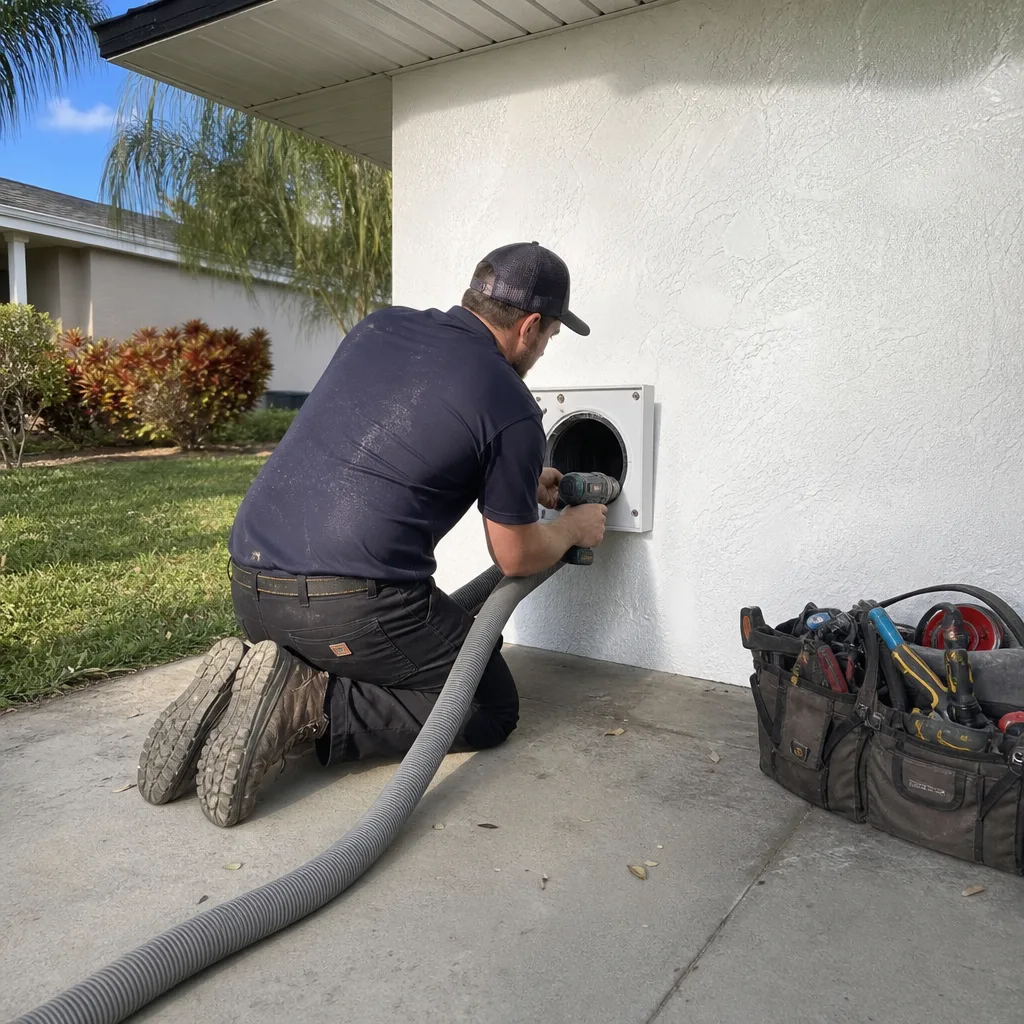
Hardware store dryer vent cleaning kits, the ones with flexible fiberglass rods that attach to a cordless drill, work fine for certain situations. The question is whether your vent is one of those situations. Most Tampa homes we service are not.
A rod kit can handle a short, straight vent run of 6 feet or less with no elbows, where you can see the exit point from the dryer and the duct is rigid metal or semi-rigid aluminum. In those cases, rotating the brush while pushing it through knocks loose the light, dry lint that accumulates early in the cycle. You’re essentially doing a maintenance pass before heavy buildup forms.
Here’s when a rod kit is not enough:
- Runs longer than 10 feet. The rods flex and lose rotational force, so the brush spins against the duct wall instead of scouring it.
- Any run with 90-degree elbows. The brush head gets caught at the turn, and the rods either bind or push the brush past the turn without cleaning it.
- Flat flex duct installations. The ridges catch the brush bristles, and aggressive spinning can tear the foil, leaving you with a hole in the wall or slab that you can’t see.
- Visible heavy buildup or moisture. If you’re seeing damp lint or thick, matted accumulation, a rod kit won’t remove it. You need negative-pressure extraction, the same principle used by professional rotary systems.
- Ground-level vent caps in slab homes. If the duct runs down through concrete, you can’t push a brush horizontally and expect it to climb moisture-blocked debris at the far end.
Professional rotary cleaning works differently. A rotary system combines a spinning brush head with a high-velocity vacuum pulling air backward through the same opening. The brush mechanically breaks loose packed, damp lint that a static brush can’t move, and the vacuum captures it before it falls back into the duct. We run Rotobrush systems with Nikro HEPA vacuums on our Cardinal Air Duct Tampa home service calls, specifically because Tampa’s humid climate makes lint heavier and harder to dislodge than in drier regions.
What a Written Post-Service Airflow Reading Should Show
A cleaning is only as good as the proof it leaves behind. Every professional dryer vent cleaning should end with a written airflow reading, and you should read it before the technician packs up. If you don’t get one, you’re taking someone’s word for it, and in this trade, that’s not good enough.
Airflow through a residential dryer vent is measured in cubic feet per minute (CFM) using an anemometer held at the exterior vent cap or the dryer connection point, depending on the system. A clean, unobstructed 4-inch dryer vent with a typical domestic dryer should move between 120 and 180 CFM at the exhaust point. Here’s what the numbers tell you:
- Above 150 CFM: The vent is clear. Whatever buildup was there before the cleaning is gone.
- Between 100 and 149 CFM: The vent is mostly clear, but there may be residual debris at an elbow or joint. The technician should explain what the number indicates and what remains.
- Below 100 CFM: The vent is not clean. Either the cleaning didn’t reach the full run or there’s another issue like a crushed duct, a disconnected joint, or a bird nest at the cap. Don’t accept this as a completed job.
You should also get a before-and-after photo set. In our experience, the before photos from Tampa slab homes are usually the most dramatic, because flat flex runs collect dense, matted lint that a camera can capture clearly. The after photos should show the same span of duct with visible depth, not just a dark void where the camera couldn’t focus.
What Dryer Vent Cleaning Costs in Tampa
Dryer vent cleaning in Tampa runs between $90 and $180 for a standard single-family home with an accessible vent run, depending on run length, access difficulty, and how much buildup is present. That’s the honest range for professional service with negative-pressure equipment, before-and-after photo documentation, and a written airflow reading. Homes with slab-routed ducts, ground-level caps, or heavy clogging can push toward $200, and that’s a quote you should get before any work begins.
Here’s the pricing structure to expect:
| Service Scope | Typical Tampa Range |
|---|---|
| Short run (under 8 feet, accessible) | $90 – $120 |
| Standard run (8 – 15 feet, one or two elbows) | $120 – $160 |
| Long or difficult run (15+ feet, slab route, roof exit) | $160 – $200 |
| Heavy clog removal (blockage, animal nesting) | $180 – $250 |
Be wary of quotes under $50. In the Tampa market, a price that low typically means a shop-vac at the exterior wall and no interior duct cleaning, a bait price that gets inflated once the technician arrives, or a fly-by-night operation without insurance. Our air duct cleaning in Tampa service operates on a written price before any work begins, and that price does not change at the door.
If a company won’t give you a written number before touching the vent, that’s your answer.
Signs Your Vent Is Already Partially Blocked
Even if you’ve never thought about your dryer vent before, your house is probably giving you signals. Here are the most common signs we hear about from Tampa homeowners when they call us after a blockage has already begun:
- Clothes take two cycles to dry. This is the number one sign. Lint buildup restricts airflow, which prevents evaporated moisture from exiting the dryer. The machine keeps running, the clothes stay damp, and your electric bill climbs.
- The dryer feels unusually hot to the touch. A warm dryer is normal. A hot one means the machine can’t shed heat fast enough, which is exactly the condition that ignites lint.
- A burning smell during cycles. Lint near the heating element smoldering is not a drill. Turn the dryer off, unplug it, and do not run another load until the vent is inspected.
- The exterior flap doesn’t open. If the hooded cap outside stays shut during a cycle, the air has nowhere to go except back into your laundry room.
- Visible lint around the dryer or on the floor near the wall connection. That means the duct joint behind the dryer has loosened and lint is escaping into your living space.
- Damp laundry room air and mildew smells. Moisture that should be outside is condensing inside, which brings mold and must into the room.
Any one of these signs is worth a same-week inspection. Several of them together means you’re running a fire risk that gets worse with every load.
Common Mistakes to Avoid
- Trusting the once-a-year rule without checking your actual usage. Tampa’s climate means more laundry, which means more lint. The annual rule is a starting point, not a guarantee. Use the formula above to dial in your interval.
- Using a rod kit on flat flex duct. The bristles tear the foil shielding, and you won’t know it until a repair costs more than the cleaning would have.
- Ignoring the exterior cap because the dryer seems fine inside. A plugged cap at ground level can block the entire system even when the interior duct is spotless, especially in slab homes where caps sit low to the ground.
- Skipping the airflow reading. Without a measured CFM number, the cleaning is someone’s opinion. Demand a written number.
- Hiring on price alone. The cheapest Tampa quote is often a shop-vac at the wall, not a full duct cleaning. Compare what’s included, not just the dollar amount.
- Delaying because the dryer still runs. Dryers keep running while the vent closes off, right up until the thermal fuse blows or lint ignites. The machine working is not evidence that the vent is clear.
- Not checking the duct material during a home purchase. Flat flex duct in a newly bought Tampa home is a pre-existing fire risk. Inspect it during due diligence and budget for replacement if it’s there.
When to Call a Professional
Call a professional when your monthly check shows the exterior flap failing to open fully, when drying time has increased by more than 20 percent, when you smell burning during a cycle, or when your vent run is longer than 10 feet with turns you can’t access. Also call if you’ve just bought a home and don’t know the duct material or condition, since flat flex installations in slab homes are common in Tampa and should be assessed before your first laundry day. Cardinal Air Duct Tampa offers free estimates in Tampa, call (850) 403-3474.
Frequently Asked Questions
Expect to pay between $90 and $180 for a standard dryer vent cleaning in Tampa, with longer slab-routed runs or heavy clogs reaching $200 to $250. Any quote below $50 should be treated as a red flag, not a deal. We give a written price before any work begins so you know the number before the tech touches the vent, call (850) 403-3474 for an exact quote.
Most Tampa households need cleaning every 6 to 10 months, not the once-a-year interval used in national guidelines, because the heat and humidity drive more laundry cycles and stickier lint. Households doing 7 or more loads a week or living in slab homes with flat flex duct should lean toward every 6 months. Run the monthly 5-point check to confirm your interval is right.
Cheap quotes usually mean the company plans to vacuum the exterior vent cap only, not the full interior duct run, which removes the visible lint while leaving the packed buildup inside the line. Some low-ball operations also add fees once they arrive, turning a $49 advertised price into $200. A legitimate cleaning always includes negative-pressure extraction through the full run and a written airflow reading.
Demand three things: a written airflow reading showing CFM at the exhaust point, before-and-after photos of the duct interior, and a clear explanation of the run layout from the technician. A clean 4-inch vent should move 120 to 180 CFM with the dryer running. If a company won’t provide all three, treat the job as unverified.
You can, but only on a short, straight run of 6 feet or less with rigid metal duct and no elbows, and only as a maintenance pass between professional cleanings. In Tampa’s common flat flex duct and slab-routed installations, those rod kits often fail to clear the full run and can tear the foil duct, creating a hidden hole.
Yes, and flat flex duct is the worst offender. Its ridged interior catches lint, traps moisture from Tampa’s humid air, and narrows airflow far faster than smooth rigid metal duct. If your home has flat flex in the dryer vent run, budget for replacement with semi-rigid aluminum and schedule cleanings more frequently until then.
Every dryer vent cleaning includes a written price before work starts, rotary brush cleaning with negative-pressure extraction using Rotobrush and Nikro equipment, before-and-after photo documentation, a written CFM airflow reading, and the 365-Day Done Right Promise. If the work isn’t right within 365 days, we return and correct it at no charge. Call (850) 403-3474 to schedule.
The Bottom Line
Dryer vent fires are a maintenance problem, not a fluke, and Tampa’s climate stacks the odds against the once-a-year rule. The checklist that actually protects your home is usage-based: know your weekly load count, measure your duct run, check the five points monthly, and get a written airflow reading after every professional cleaning. If your vent shows signs of blockage or you don’t know what’s inside your walls, call Cardinal Air Duct Tampa at (850) 403-3474 for a free estimate and a written price before any work starts.
Written by Omar Haddad, Owner at Cardinal Air Duct Tampa, serving Tampa since 2005. Browse our more guides & resources for additional home maintenance tips.
See the difference
 Before
 After
After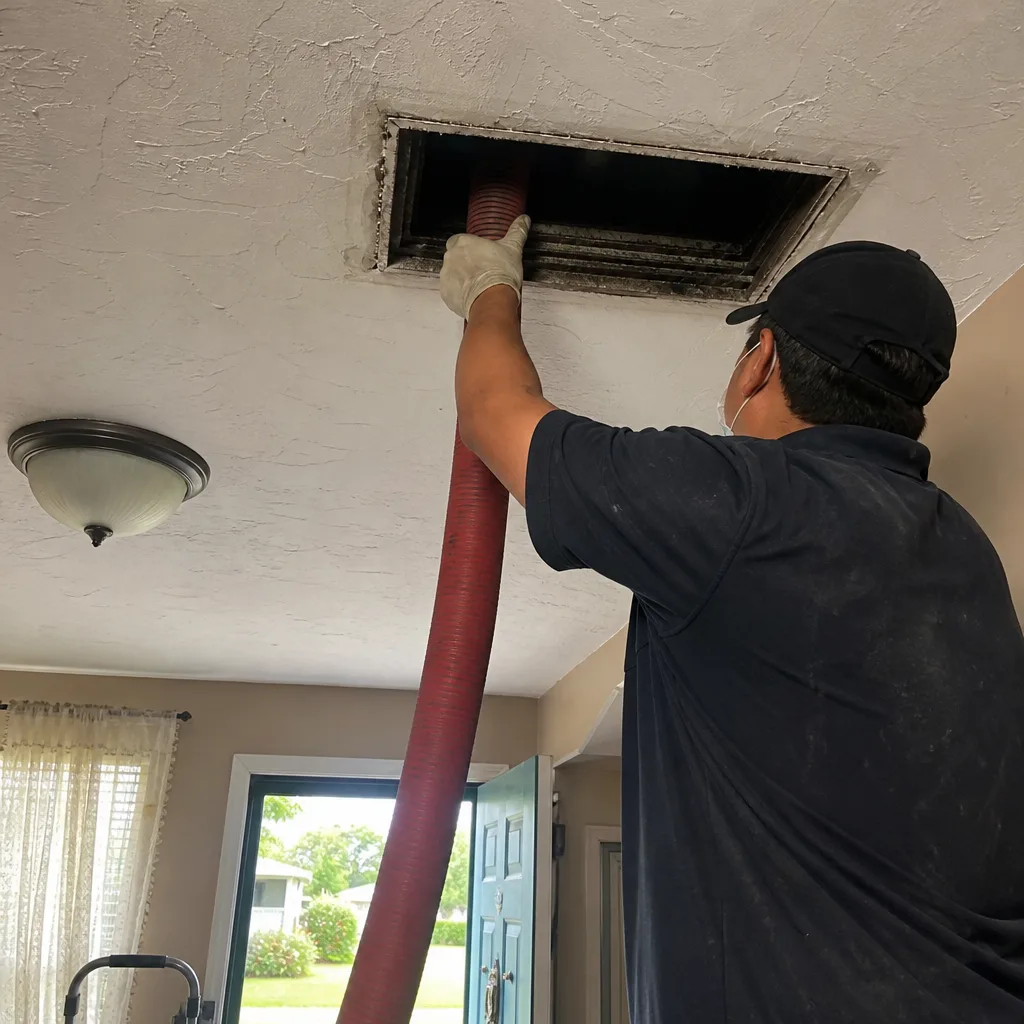 Before
 After
After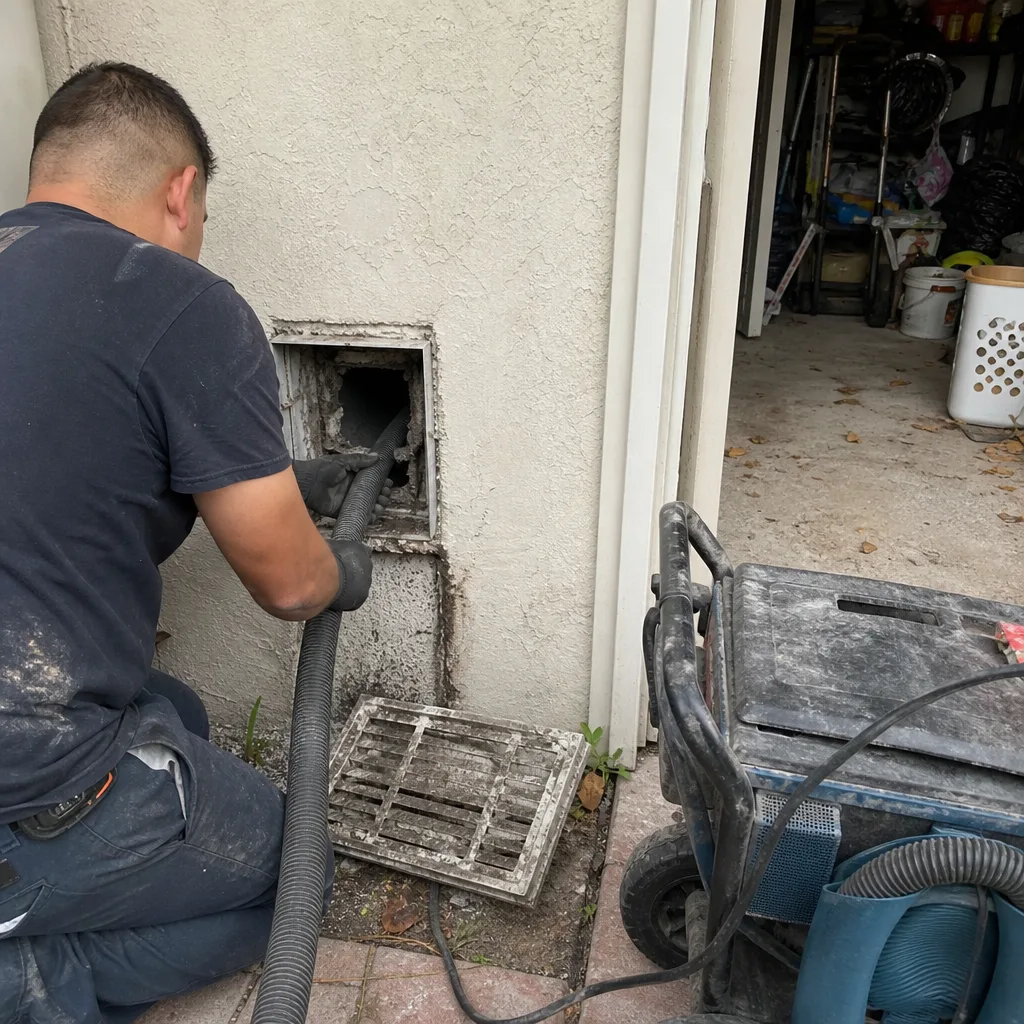 Before
 After
After