
Last updated October 15, 2026
 Whole-home duct cleaning
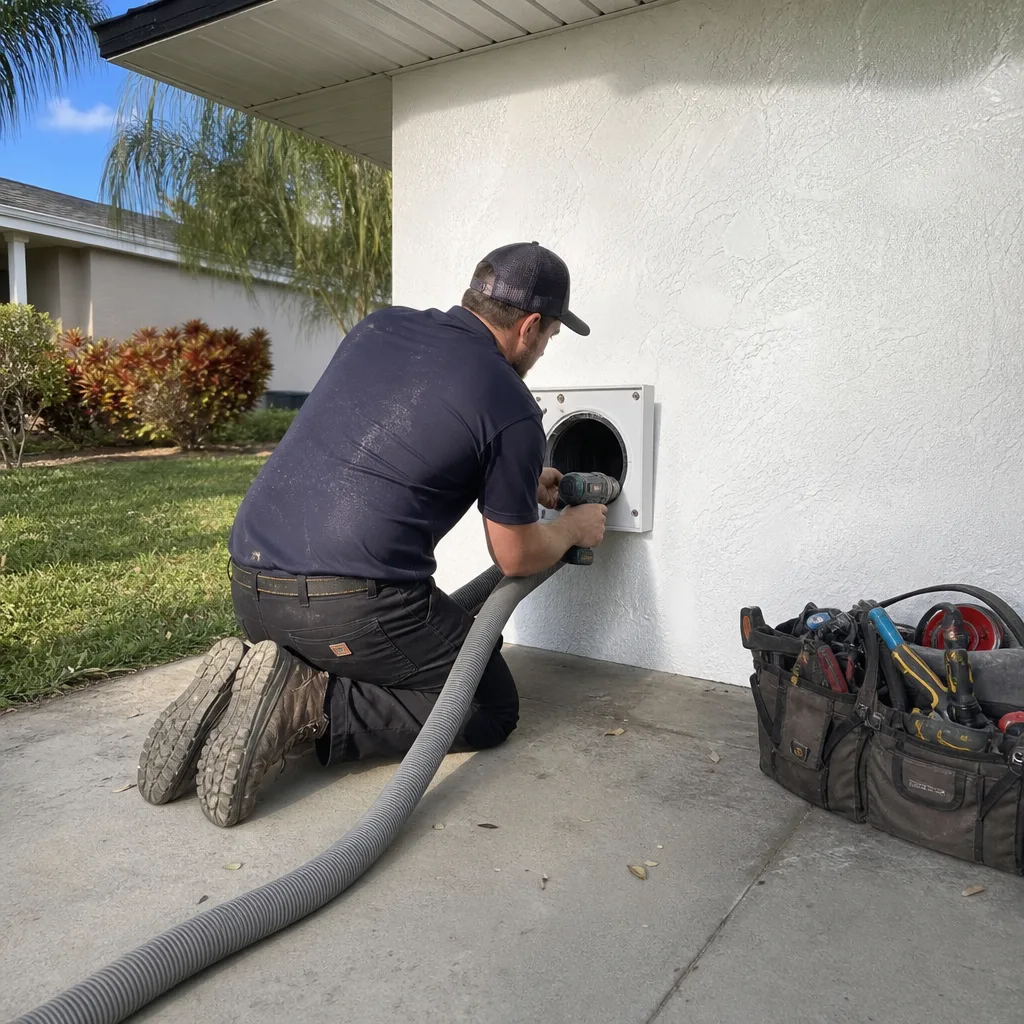
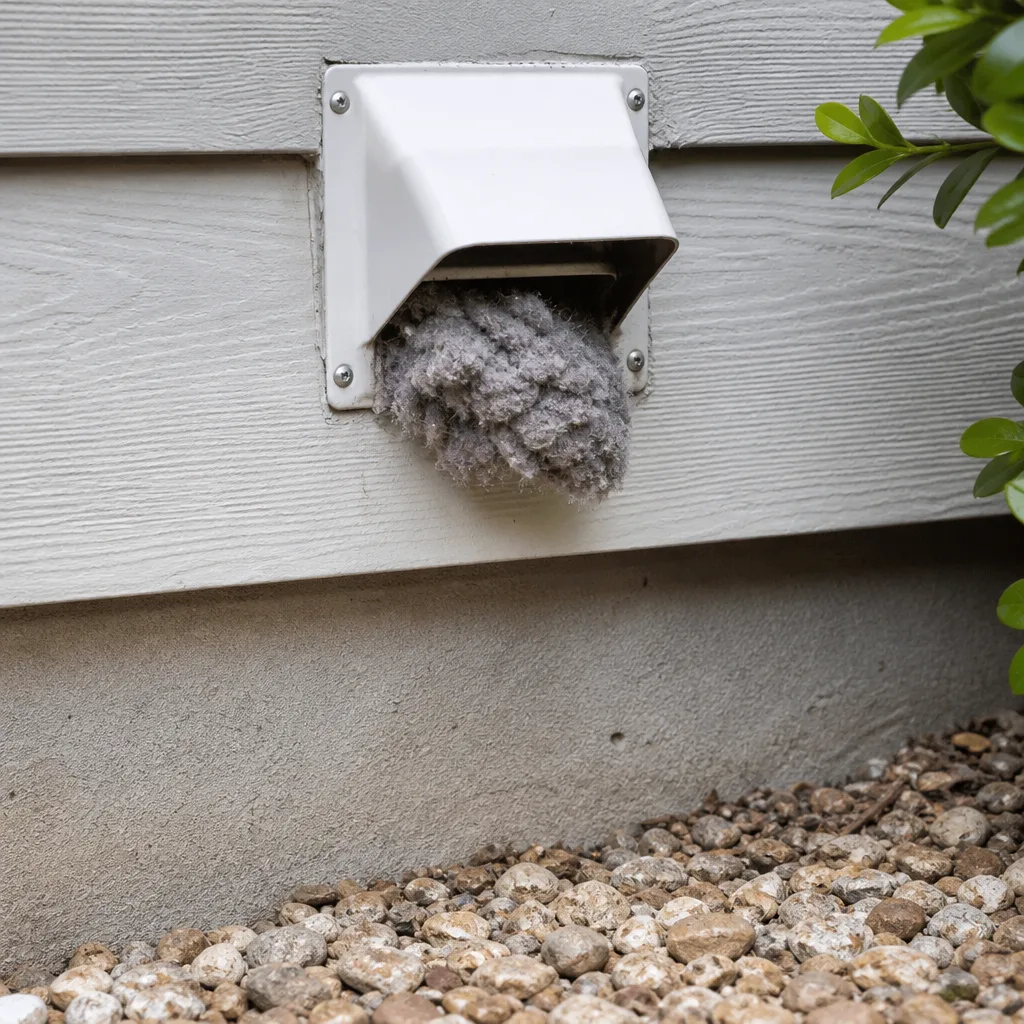 Dryer vent cleaning
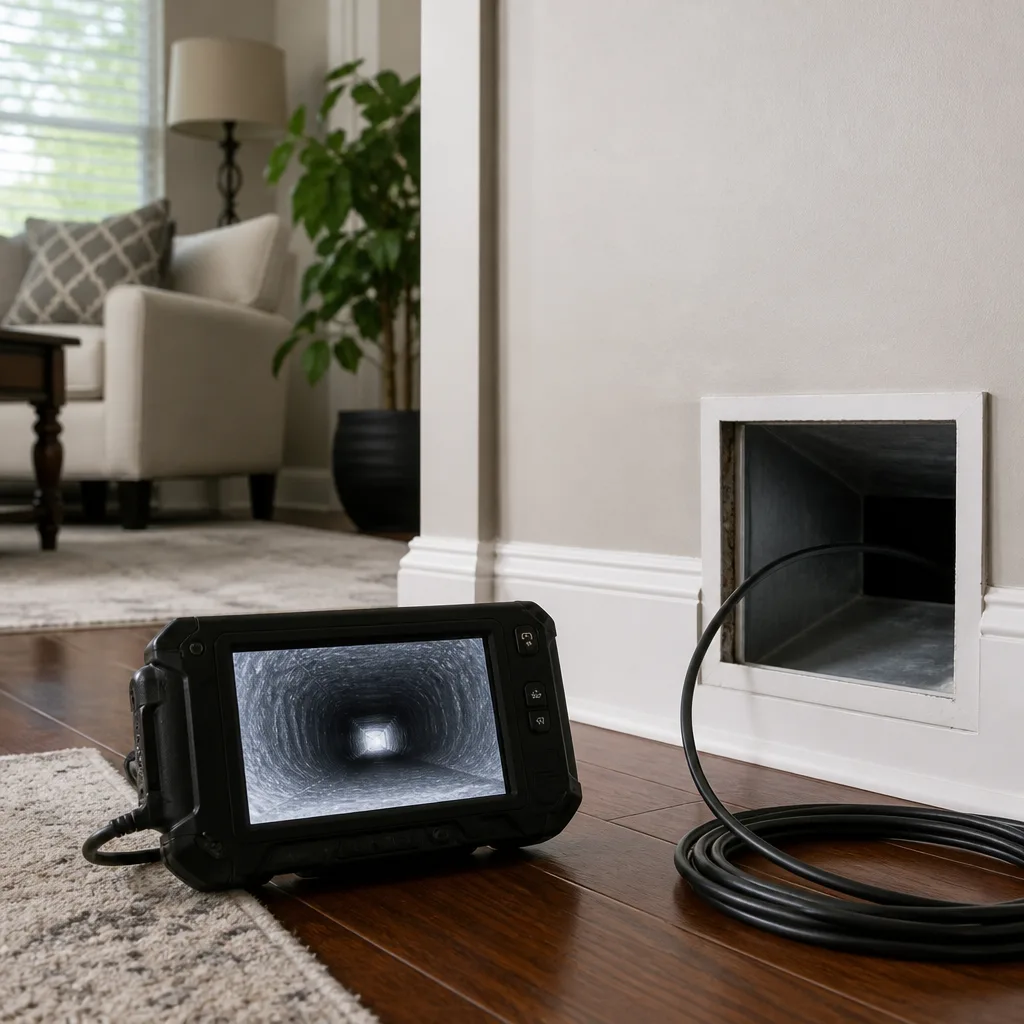 Camera inspection
 Sanitizing & deodorizing
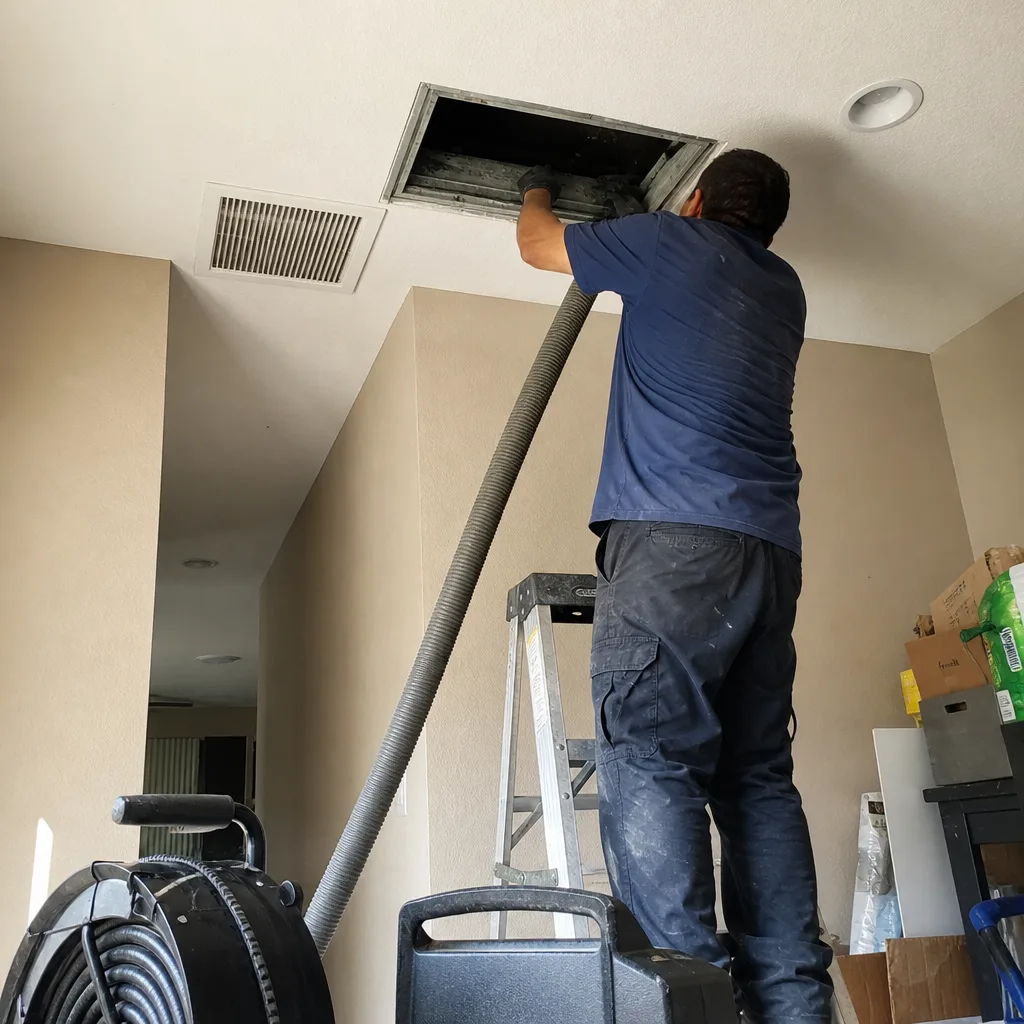
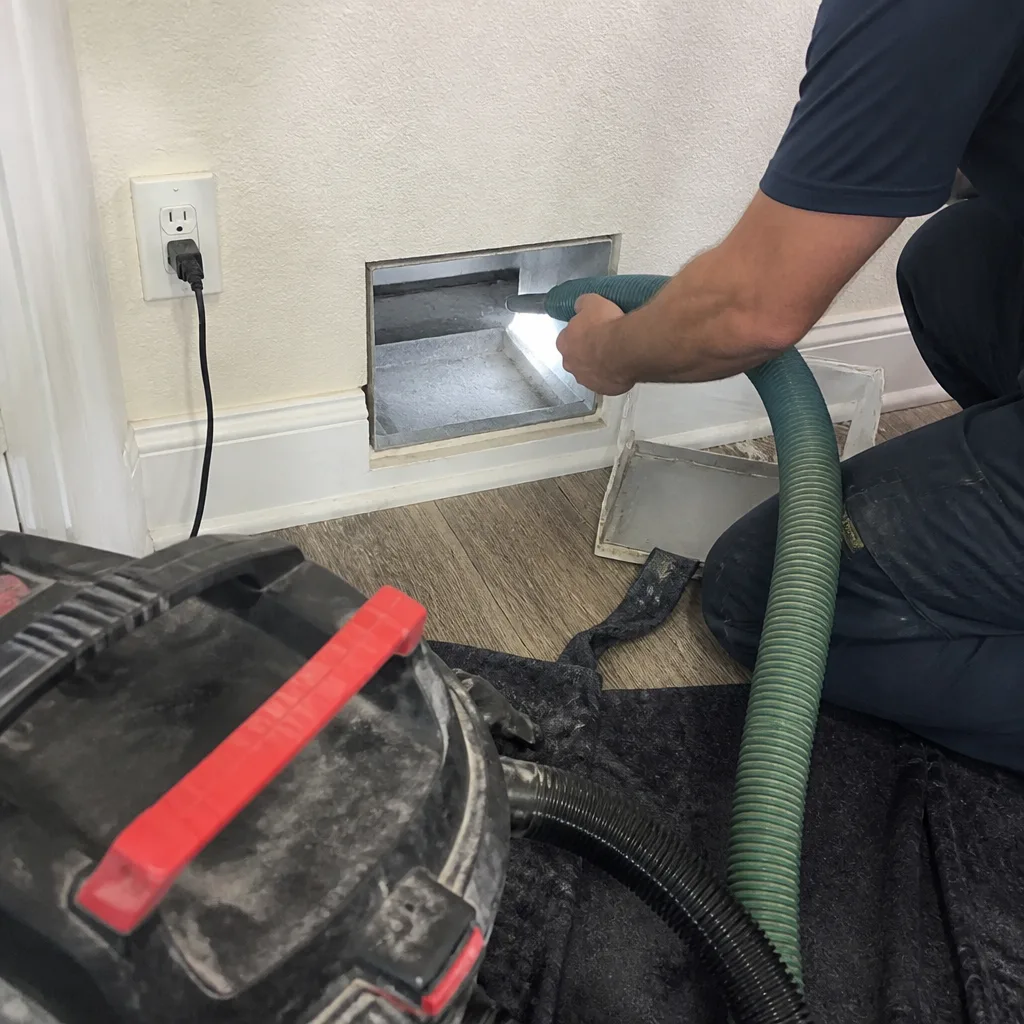
Whole-system duct and dryer vent check with before-and-after photos - you see exactly what came out of your vents
That "$99 whole-house special" is a bait ad - the real number appears once they are in your hallway, or the "clean" is a shop-vac at the register. We photograph the inside of your ducts before and after instead.
Seasonal Air Duct Cleaning Care for Tampa: Year-Round Homeowner’s Guide
Here’s the uncomfortable truth about Tampa’s ductwork: the worst contamination doesn’t happen during summer’s punishing humidity. It happens in the six-week window between snowbird season ending and the first full blast of summer AC, a period almost nobody schedules for. This guide maps duct care to Tampa’s actual calendar, not the generic four-season advice written for homeowners in Ohio. By the end, you’ll know exactly when to clean, what to check, and why a December appointment in Tampa often beats a July one in every measurable way.
Styles & brands we work with
Quick Answer
Tampa’s duct care calendar has two rhythm-setting periods: the March – April transition (highest mold-spore activation risk, clean or inspect before summer load) and the December – February dry season (fastest scheduling, best pricing for non-urgent work). Most Tampa homeowners should schedule professional air duct cleaning every 3 – 5 years, with high-occupancy homes, pet owners, and allergy-sensitive households trending closer to every 2 – 3 years. Filter changes, the cheapest duct-health action you’ll ever take, shift with the season: MERV 11 – 13 during spring pollen, MERV 8 – 10 in winter when dust dominates.
Table of Contents
- Why Tampa’s Climate Demands a Different Duct Schedule
- March – April: The Six-Week Window Most Homeowners Miss
- June – September: Managing Condensation During Peak Humidity
- October – November: The Post-Summer Inspection Before Snowbird Season
- December – February: Tampa’s Dry Season Is Your Scheduling Advantage
- Filter Strategy: MERV Ratings That Match Tampa’s Seasons
- Monthly DIY Checks That Take 10 Minutes or Less
- Common Mistakes to Avoid
- When to Call a Professional
- Frequently Asked Questions
- The Bottom Line
Why Tampa’s Climate Demands a Different Duct Schedule
Tampa doesn’t have four seasons. It has two: humid-hot (roughly April through October) and slightly-less-humid (November through March). Both create distinct problems for the ductwork snaking through your attic or crawlspace, and a single annual cleaning schedule ignores the reality of how each period stresses your HVAC system differently.
During the long summer, your air conditioner runs nearly continuously. Supply ducts carry cold air (around 55 – 60°F) through an attic that can hit 140°F by mid-afternoon. That temperature differential creates condensation on the exterior of ductwork when insulation is thin, compromised, or missing at joints. That moisture becomes a breeding surface for mold spores that are always present in Florida air. Meanwhile, the return side pulls warm, humid household air back through the system, depositing a fine layer of organic material – skin cells, pet dander, cooking residue – onto duct walls. Add Tampa’s year-round pollen load, which peaks twice (live oak in February – March, grasses and ragweed in late spring and fall), and you get a system that accumulates moisture-driven biological growth faster than almost any other climate in the country.
Winter presents the opposite problem in kind, not degree. Tampa homes in January often run heat during cool mornings and AC by afternoon. That cycling creates thermal expansion and contraction at duct joints, gradually loosening connections. A duct system that tested tight in October may be leaking 10 – 15% of conditioned air by March. Leaky return ducts pull unfiltered attic air – insulation fibers, dust, whatever’s up there – directly into your living space. That’s why a December or January duct inspection catches problems before they compound.
This is the climate context that should drive your entire maintenance calendar. Let’s walk through it season by season.
March – April: The Six-Week Window Most Homeowners Miss
Here’s what happens every year in Tampa: snowbirds leave in late March and early April. Your AC, which has been cycling lightly through the mild winter, suddenly gets asked to dehumidify and cool full-time as temperatures climb past 85°F. And the ductwork, which has been sitting in a relatively dry state for months, suddenly gets hit with its highest moisture load of the year.
That transition is when dormant mold spores activate. Spores that have been sitting inert on duct surfaces since the previous fall get exactly what they need to bloom: warmth, moisture, and a fresh food source in the form of spring pollen being pulled through the return registers. Homes in South Tampa near the bay, in Carrollwood with its dense tree canopy, and in New Tampa’s newer construction all experience this at slightly different intensities, but the mechanism is identical everywhere.
What to do in this window:
- Visually inspect supply registers and return grilles. Remove two or three covers and look inside with a flashlight. Dark, spotty residue on the register or visible film on the first few inches of duct wall signals the start of biological growth.
- Smell the first full day of AC. After the system has run for a full afternoon, stand near a supply register and breathe normally. A musty, locker-room smell is the classic signature of activated mold. This is the single most reliable homeowner test.
- Check the condensate drain line. Pour a cup of white vinegar down the primary drain line at the indoor air handler. If it backs up instead of flowing, you have a clog that will back up into the pan, then the ductwork, within weeks. Schedule professional air duct cleaning in Tampa sooner rather than later.
- Upgrade the filter before pollen peaks. Live oak pollen in Tampa typically peaks between late February and mid-April. A MERV 11 or 13 filter (more on this below) installed early in this window will catch the bulk of it before it enters the returns.
In our experience, this March – April window is when we see the highest concentration of active mold growth in Tampa duct systems. Homeowners who schedule an inspection or cleaning in this window get ahead of the problem before it distributes spores through the entire house for six straight months. Those who wait until July are cleaning a much bigger mess.
June – September: Managing Condensation During Peak Humidity
By June, Tampa’s humidity is in full force. Dew points routinely sit in the mid-70s, meaning any surface below roughly 75°F will collect condensation. Your supply ducts, carrying 55 – 60°F air, are far below that threshold. The question isn’t whether condensation forms; it’s whether your duct insulation and sealing are up to the task.
This is also when your AC runs its longest cycles. Runtime matters for duct health in a counterintuitive way. Longer cycles mean more air moving through the system, which pulls more particulate through the returns. In a properly sealed and filtered system, that’s fine – the filter catches it. But when returns leak in the attic, that long runtime also pulls attic air (which can be 130°F and loaded with insulation particles) into the system for hours at a time. Every leak compounds daily.
Signs your ducts are struggling during peak summer:
- Unexplained humidity in the home despite the AC running normally (indoor humidity above 60% when the system is working correctly is a duct leak signal)
- Significantly higher electric bills compared to the same month the previous year
- Rooms that can’t get cool no matter how long the system runs
- Visible condensation on supply register frames or ceiling areas near registers
- Gray or dark streak marks on ceiling drywall near duct runs
One piece of equipment worth understanding for Tampa homes is a whole-home dehumidifier like the Aprilaire E-series. It integrates with your existing duct system and pulls moisture out of the air before it ever reaches the coils, reducing the condensation load inside the supply ducts themselves. This doesn’t eliminate the need for duct cleaning – it reduces the rate at which moisture-driven contamination accumulates between cleanings. Homes with Aprilaire dehumidifiers typically see slower biological growth in ducts, but the devices also slightly increase filtration demand because they add runtime and airflow through the system. If you’re considering one, have the ducts inspected first. Installing a dehumidifier onto compromised ductwork just conditions a leaky system more expensively.
During these months, keep the filter changed on schedule (every 30 – 45 days for 1-inch filters in a running system, every 60 – 90 days for media filters) and watch for the warning signs above. If any show up, good professional services in Tampa include a full inspection with the cleaning – at Cardinal Air Duct Tampa, that’s standard before any work begins.
October – November: The Post-Summer Inspection Before Snowbird Season
By late October, Tampa’s AC units have been running for six months straight. That’s six months of heat, humidity, condensation, pollen, and dust cycling through the ductwork. As temperatures start to moderate, the system gets its first real rest. This is the moment to take stock before the holidays arrive and before snowbird guests return for the winter.
What to check in this window, especially if you host guests in the winter months:
- Filter condition after the summer run. Pull the filter and hold it up to a light. If you can’t see light through it, it was in service too long. But more importantly, the dust it didn’t catch went somewhere. Usually, that means the evaporator coil and the duct interiors.
- Airflow feel at every register. Walk the house and hold a tissue near each supply register while the system runs. Any register with clearly weaker airflow than the others signals a duct blockage or disconnection in that branch line. This is a post-summer problem because thermal expansion eventually causes the metal or flex duct to separate a small amount at a joint.
- Evaporator coil condition. This one requires a professional eye, but it’s the single biggest post-summer issue in Tampa. The A-coil, which sits inside the air handler, gets coated with organic sludge after a long humid season. That sludge feeds mold and restricts airflow. HVAC cleaning in Tampa includes coil cleaning as a standard component because it affects both air quality and system efficiency.
- Attic duct insulation check. If you can safely access the attic, shine a flashlight along the main supply trunk and take note of insulation that’s sagging, missing at joints, or showing dark moisture stains. This is a visual check, not a DIY repair – but seeing the problem lets you call someone before it becomes an emergency.
The critical context: snowbird guests typically arrive between mid-November and early January. If they’re going to be sleeping in guest rooms that have been closed up for months, those branch ducts have been sitting mostly still since April. The first week of guest-season heat will flush whatever accumulated in them directly into those bedrooms. Schedule this inspection in the first two weeks of November, and you’ll have a two-to-four-week buffer before guests arrive.
December – February: Tampa’s Dry Season Is Your Scheduling Advantage
From late December through February, Tampa gets its driest air and mildest temperatures. The dew point drops into the 50s. The AC cycles less frequently, and the air itself holds far less moisture. For duct work, this is the golden window.
Why scheduling non-urgent duct cleaning or dryer vent cleaning in Tampa during these months is smarter:
- Faster scheduling. The winter months see less emergency HVAC and duct work than the summer peak, when every tech in the county is responding to system failures. December and January appointments typically book within days, not weeks.
- Better pricing on a few fronts. Some Tampa companies run seasonal specials during the winter slump. More importantly, you’ll get more competitive pricing because techs aren’t turning away work. For pure economics, scheduling a routine cleaning in this window is the best value all year.
- Lower biological growth. Cleaning ducts during the dry season means the system stays drier during and immediately after the cleaning. In summer, cleaned ducts begin re-accumulating moisture and spores the first time the AC kicks on. In winter, the system gets a longer period of low biological pressure before the summer load arrives. The cleaning “lasts” longer in measurable terms.
- Comfort during the process. Duct cleaning requires the HVAC system to be opened and sometimes shut down for a few hours. Doing that in January means your home stays comfortable without AC. Doing it in July means the house heats up while the system is down, which is exactly when cleaning feels like a penalty.
Our team at Cardinal Air Duct Tampa runs the same professional-grade equipment year-round – Rotobrush rotary brush systems for mechanical agitation, Nikro HEPA-filtered negative air machines for extraction, and Abatement Technologies containment units when a job requires isolation. Negative-pressure extraction means the loosened debris goes straight into the vacuum, not back into your living room. But running that gear in a January attic is a far more pleasant experience than running it in a July attic, and the scheduling flexibility means you’ll get a live, trackable arrival window that actually fits your day.
Filter Strategy: MERV Ratings That Match Tampa’s Seasons
MERV stands for Minimum Efficiency Reporting Value; think of it as a filter’s report card for how small a particle it catches. The scale runs from 1 to 16. Higher numbers catch finer stuff. That sounds like “higher is always better,” but it isn’t that simple. A filter that’s too restrictive creates static pressure the blower motor has to fight, reducing airflow and, in extreme cases, causing the evaporator coil to freeze. In a climate where the AC already runs almost constantly, the right MERV rating matters more than in most markets.
Here’s how Tampa’s seasons should map to your filter choices:
| Season | Recommended MERV | Primary Contaminant | Change Interval |
|---|---|---|---|
| Spring (Feb – April) | MERV 11 – 13 | Live oak and grass pollen | Every 30 days |
| Summer (May – Sep) | MERV 8 – 11 | High humidity, biological growth | Every 30 – 45 days |
| Fall (Oct – Nov) | MERV 8 | Post-summer sludge, dust | Every 45 – 60 days |
| Winter (Dec – Jan) | MERV 8 – 10 | Indoor dust, pet dander | Every 45 – 60 days |
The logic: spring pollen is the finest particulate you’ll face all year, which is why the higher MERV 13 rating makes sense. Summer is a balancing act – you want enough filtration to catch biological particles, but too-restrictive a filter on a system already working at maximum load invites freeze-ups. Winter’s mostly indoor dust and pet dander doesn’t need ultra-fine filtration, so a standard MERV 8 keeps airflow strong while giving you a reasonable capture rate.
If you run a Honeywell or Aprilaire media filter cabinet, the same seasonal logic applies but at longer change intervals (typically every 6 – 12 months depending on the filter type). Whatever the setup, what matters most is consistent airflow. A clean, appropriately-rated filter keeps the blower motor from straining and keeps the duct interiors from accumulating the fine particulate that eventually requires cleaning.
One more point worth making: a higher MERV filter will shorten your cleaning interval, not extend it. That sounds backwards until you think about it. Higher MERV filters catch more stuff, which means they’re doing a better job protecting the ducts. A MERV 13 filter run during spring catches pollen that would otherwise coat the supply side of your system. The filter gets dirty faster (that’s the point), but the ducts stay cleaner longer. More cleaning burden on the filter equals less cleaning burden on the ducts.
Monthly DIY Checks That Take 10 Minutes or Less
Most duct issues announce themselves weeks or months before they become expensive. The problem is that nobody’s looking. Here’s a monthly routine that catches the bulk of developing problems in a Tampa home:
- Look at the filter (2 minutes). Pull it, hold it to a light, check for airflow. Dirty filter equals dirty ducts in the making.
- Walk the registers (3 minutes). Run the system and walk each room. Any register with weak airflow compared to its neighbors is a developing problem.
- Smell test at one register (1 minute). After the system has run for 15 minutes, stand at a supply register and take two or three normal breaths. Musty equals moisture; moisture equals mold. Call before it spreads.
- Eyeball the return (2 minutes). Dust accumulating on the return grille faster than you can vacuum it signals that the return is pulling harder than it should, often because a supply duct has disconnected somewhere and the system is working overtime.
- Check the condensate line (1 minute). Look at the drain line exit point outside the house when the AC runs. Steady drip is good. No drip is a clog developing. A clog will soak your air handler pan and then the ductwork.
This routine won’t replace professional inspection, but it will tell you when to call for one before a problem becomes so obvious you can’t miss it. In Tampa’s climate, the gap between “developing” and “emergency” is measured in weeks, not months.
Common Mistakes to Avoid
- Ignoring the March – April transition window. This is the single biggest mistake we see from Tampa homeowners. The system gets asked to work hardest exactly when it’s most likely to be holding dormant biological material that’s ready to activate. An inspection in this window costs a fraction of a full remediation in August.
- Running the highest MERV filter you can find year-round. A MERV 13 filter in January is overkill that restricts airflow for no benefit. More importantly, running a MERV 13 during July on an older blower motor can push static pressure past acceptable limits and cause freeze-ups. Match the filter to the season and the system’s capacity.
- Assuming a clean-looking home means clean ducts. Duct contamination happens where you can’t see it. The cleanest home in Westchase can have duct interiors that look like a biology experiment. The only reliable indicators are smell, airflow, and a professional inspection.
- Scheduling duct cleaning only when something breaks. By the time airflow is noticeably reduced or visible mold appears on registers, you’re past cleaning territory and into repair or replacement. Preventative cleaning every 3 – 5 years costs far less than emergency remediation.
- Forgetting the dryer vent because it isn’t HVAC. In Tampa’s humid air, lint accumulates faster and absorbs moisture more readily. A clogged dryer vent in Tampa isn’t just a fire hazard; it also adds humidity to the laundry room, which then gets pulled into the return if the door isn’t sealed. It’s part of the same air system, whether you think of it that way or not.
When to Call a Professional
Some situations call for professional equipment and trained eyes. If you smell musty air from your vents that doesn’t improve after a filter change and a few days of running, schedule an inspection. Visible mold growth on register faces or inside duct openings is a professional call, no exceptions. If one room won’t cool while the rest of the house stays comfortable, that’s a likely disconnected or crushed duct branch. If you’re having trouble keeping indoor humidity under 60% during Tampa’s summer despite the AC working properly, the issue is often in the ducts. And if your energy bills have jumped 20% or more over the same month last year with no change in usage, duct leaks are a prime suspect. Cardinal Air Duct Tampa offers free estimates throughout the Tampa area – call (850) 403-3474 to book one. You’ll get a written price before any work starts, and the technician’s name and live arrival window before we ever pull up.
Frequently Asked Questions
Most standard air duct cleanings for a typical 1,800 – 2,500 square foot Tampa home run between $450 and $750 for the full system, depending on the number of returns and supplies and the level of contamination. Homes with significant mold growth or that need additional sanitizing treatment will run higher, typically starting around $800 and scaling with scope. At Cardinal Air Duct Tampa, you get a written price before any work begins and that number does not change at the door. Call (850) 403-3474 for an exact quote on your home.
Every 3 – 5 years is the standard interval for most Tampa homes, with some households trending more frequently. Homes with multiple pets, residents with allergies or asthma, recent construction or renovation nearby, or a history of moisture problems should plan for every 2 – 3 years. The best approach is to have a professional inspection once and then build a schedule from what they find.
Cheaper duct cleaning quotes in Tampa almost always come from companies using truck-mounted or portable shop vacs without true negative-pressure extraction, skipping containment, and rushing through the job in 60 – 90 minutes. Proper cleaning with a Rotobrush rotary agitation system and a Nikro HEPA-filtered negative air machine takes several hours for a full system and costs more because it actually removes what’s in the ducts rather than redistributing it. Ask what equipment they run. If they can’t name the machine, the quote is too good to be true.
You should receive before-and-after photo documentation of the duct interiors at key points, including the return trunk, a representative supply branch, and the plenum. That’s standard practice at Cardinal Air Duct Tampa – you’ll see exactly what we saw and what we left behind. Without photo evidence, you’re taking the technician’s word on work that happens entirely out of sight.
Yes, but only when combined with proper filtration and source control. Duct cleaning removes the accumulated pollen, dust mite debris, pet dander, and mold spores that have been cycling through the system, which reduces the total allergen load in the home. But if the system has leaky returns pulling in unfiltered attic air, the benefit is short-lived. A good duct cleaning should include sealing recommendations to make the air quality improvement last.
The best time is December through February, during Tampa’s dry season. The low humidity means the system stays drier during and after cleaning, which extends the benefit, and scheduling is typically faster with more flexibility. March and April are the second-best window because you’re catching biological growth before summer’s moisture load amplifies it. If you can pick any month, pick January. To schedule in the dry season window, call (850) 403-3474.
The Bottom Line
Tampa’s duct care calendar is dictated by two realities: the brutal summer humidity load and the dry-season scheduling advantage. Get the March – April transition right by inspecting before the AC cranks up; manage summer by watching condensation and keeping filters matched to the load; inspect in October and November before guests arrive; and schedule non-urgent work in December through February when the air is dry, the schedule is open, and the pricing is friendlier. Duct cleaning in Tampa should happen every 3 – 5 years for most homes, more often for high-occupancy or allergy-sensitive households. And when you’re ready for the work, one thing should never be a mystery: the price. That’s the standard we hold.
Reviewed and approved by Cardinal Air Duct Tampa. For a free estimate, call (850) 403-3474 or visit Cardinal Air Duct Tampa home to book online. Air duct cleaning in Tampa, done with professional-grade equipment and total visibility from booking to invoice.
Written by Omar Haddad, Owner at Cardinal Air Duct Tampa, serving Tampa since 2005.
See the difference
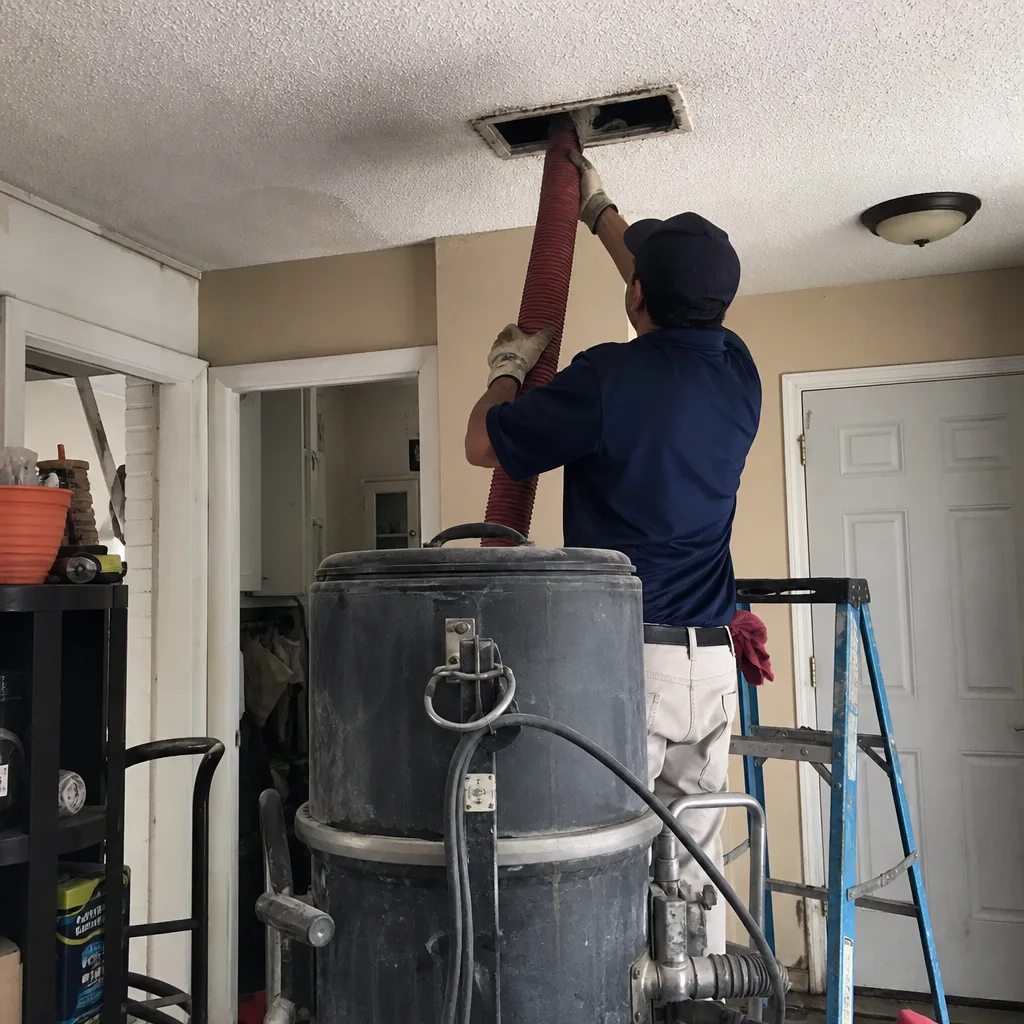 Before
 After
After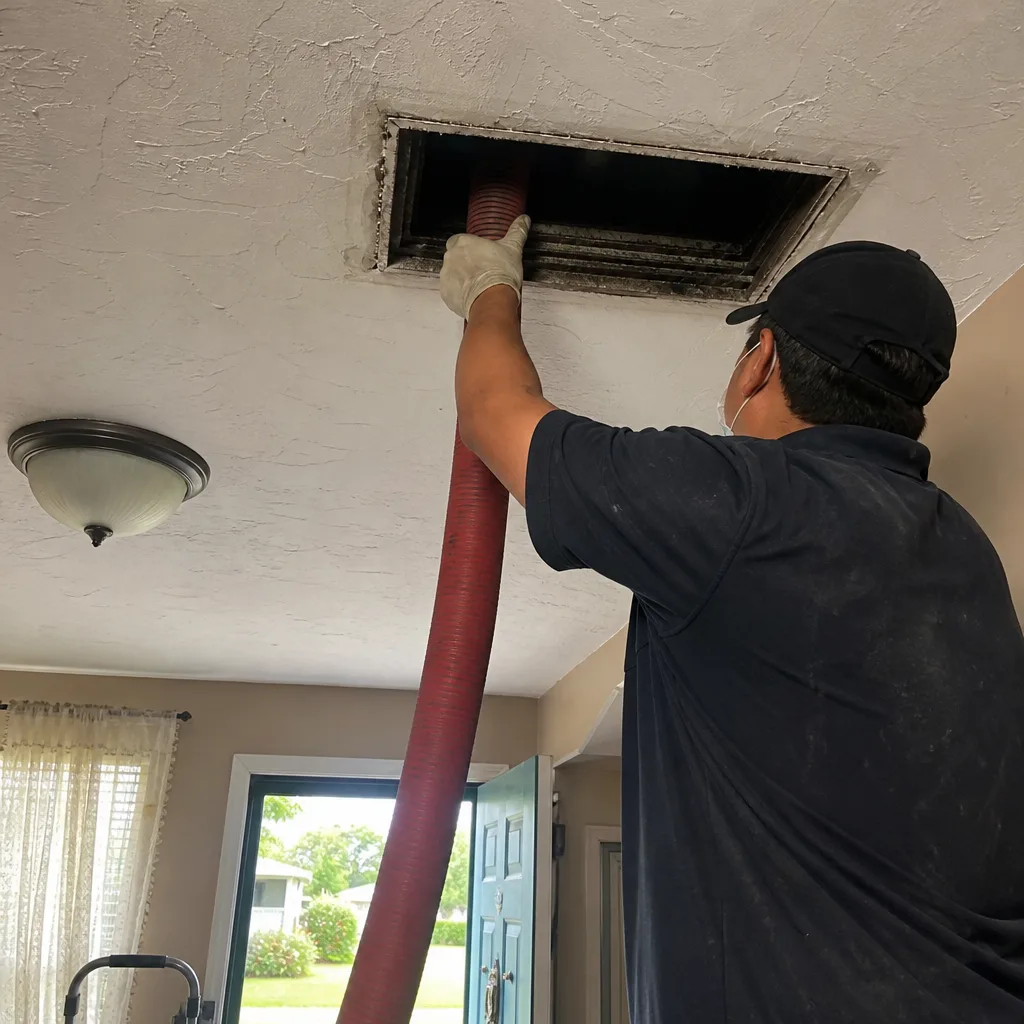 Before
 After
After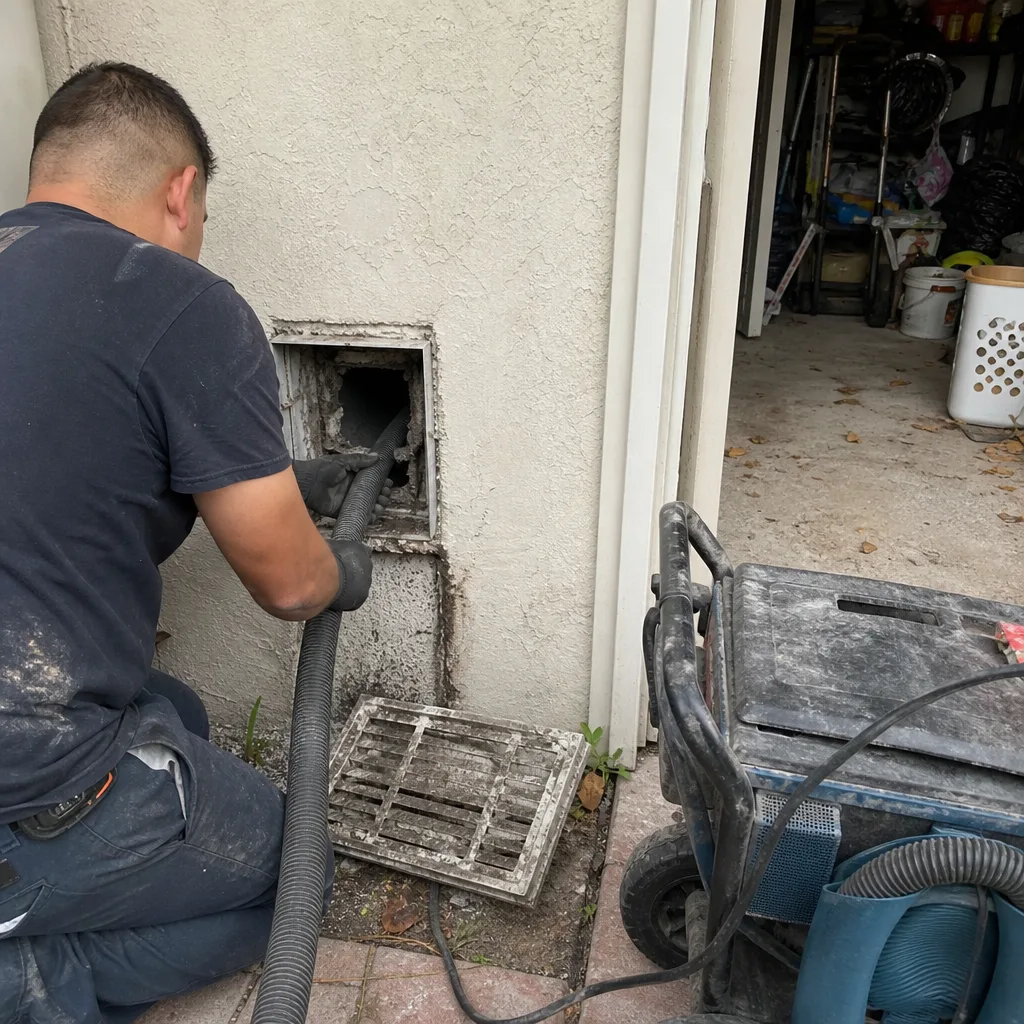 Before
 After
After