
Last updated October 15, 2026
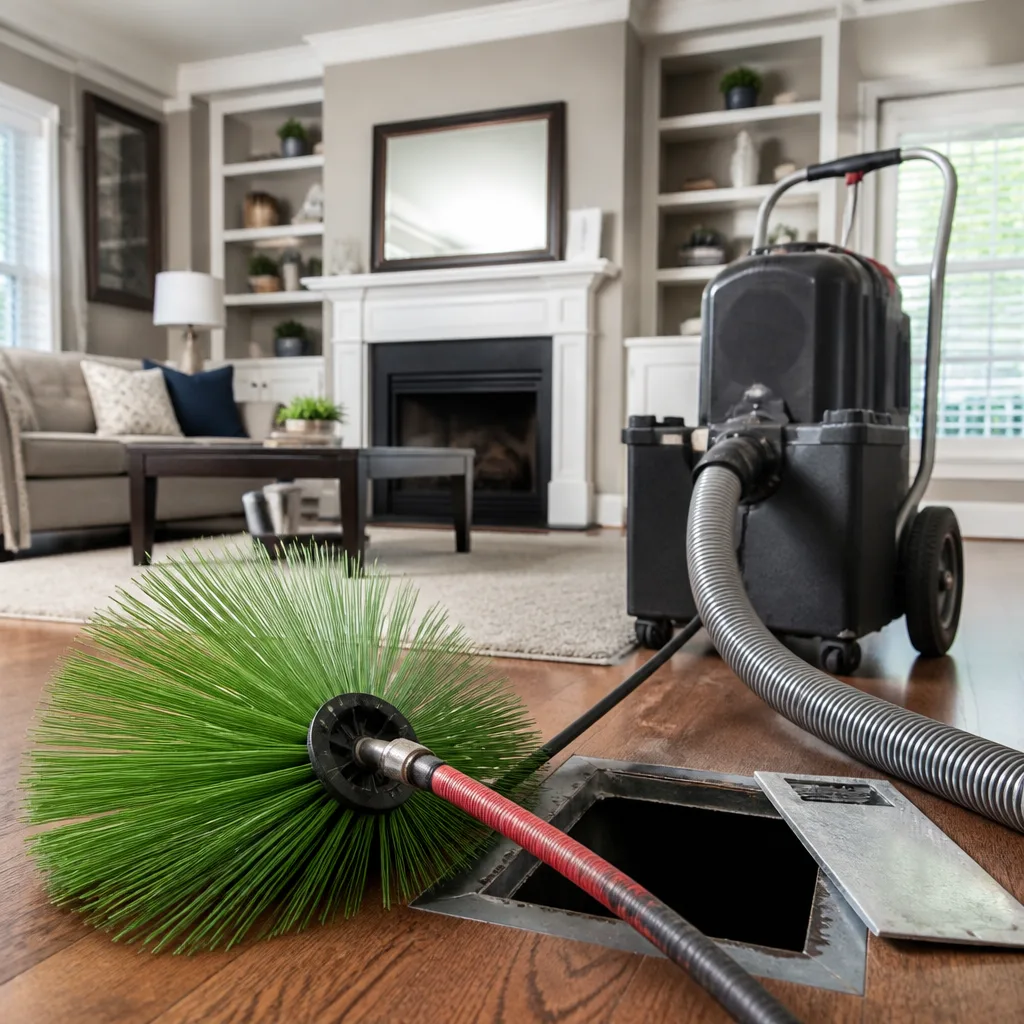 Whole-home duct cleaning
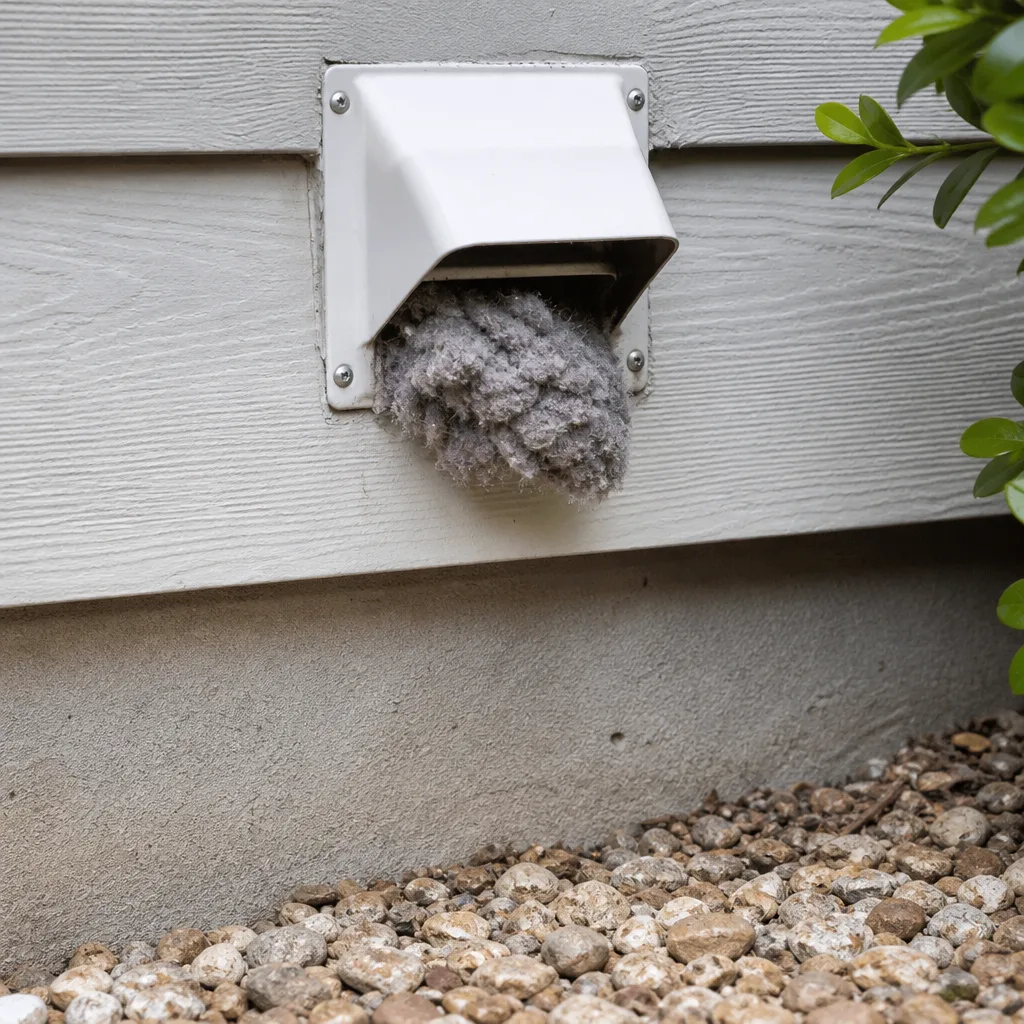 Dryer vent cleaning
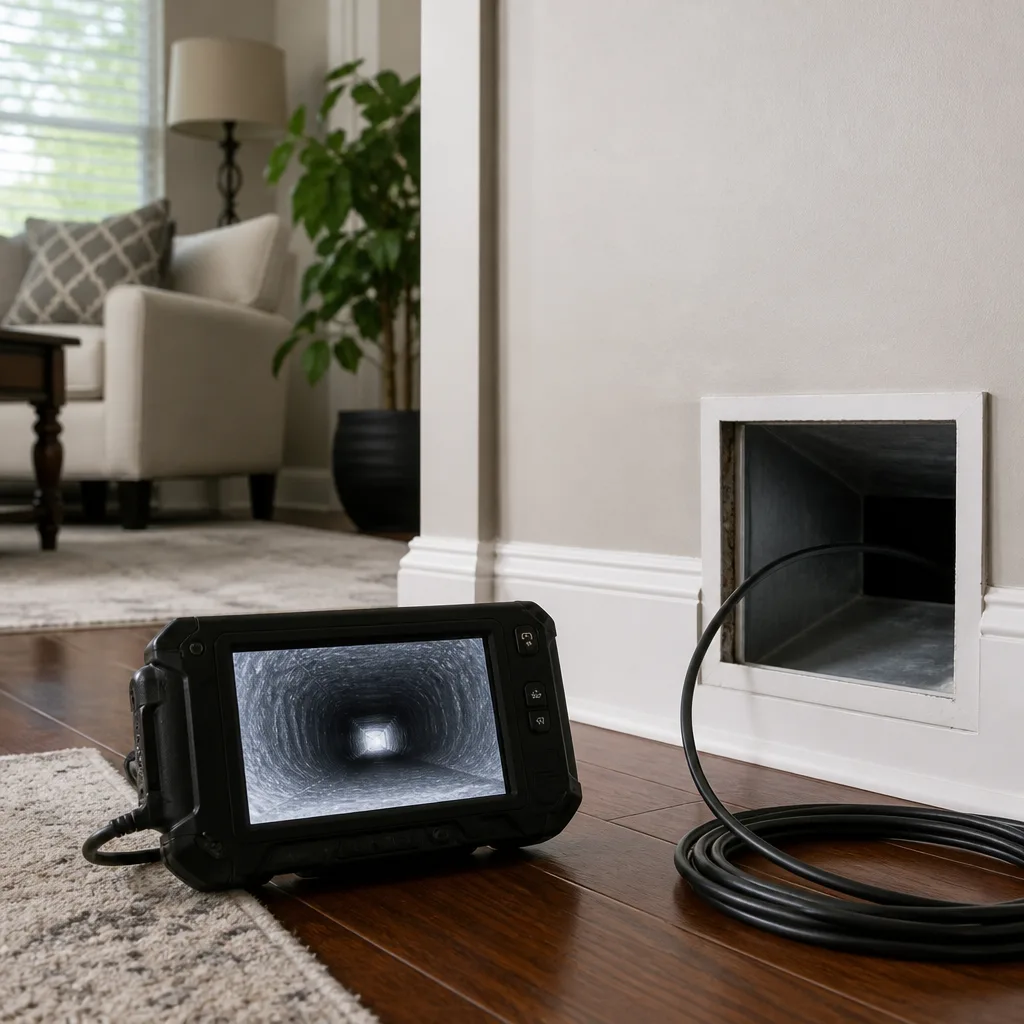 Camera inspection
 Sanitizing & deodorizing
Whole-system duct and dryer vent check with before-and-after photos - you see exactly what came out of your vents
That "$99 whole-house special" is a bait ad - the real number appears once they are in your hallway, or the "clean" is a shop-vac at the register. We photograph the inside of your ducts before and after instead.
How to Hire a Air Duct Cleaning Contractor in Tampa: A Step-by-Step Guide
That $99 whole-house duct cleaning deal you saw on a postcard or a Facebook ad? It isn’t a discount. It’s a door-opener. NADCA’s own fraud warnings describe how bait-and-switch operators use a low teaser price to get a technician inside, then “discover” mold, pests, or a collapsing plenum that somehow costs $400, $600, or more to fix before the original job can even begin. This guide gives you the exact script, the red-flag checklist, and the verification steps to hire a legitimate air duct cleaning contractor in Tampa without getting taken. You’ll learn what to ask on the phone, what a real quote looks like line-by-line, and how to confirm the work was actually done before you pay a dime.
Styles & brands we work with
Quick Answer
To hire a legitimate air duct cleaning contractor in Tampa, ask five specific phone questions (equipment, NADCA certification, pricing structure, documentation, and who performs the work), verify the company’s NADCA membership yourself on nadca.com, insist on a written flat-rate price before any work starts, and do a visual post-job inspection using before-and-after photos before signing off. Most standard whole-house duct cleanings in Tampa run $350 – $550 for a typical single-family home, and any quote significantly below that should trigger the same skepticism as a $79 oil change.
Table of Contents
- The Five Questions to Ask on the Phone (Script Included)
- What NADCA Certification Actually Means and How to Verify It in 60 Seconds
- How to Read a Duct Cleaning Quote Line-by-Line
- How to Interpret Before-and-After Photos (Camera Tricks Exposed)
- The Post-Job Walkthrough: What to Inspect Before You Pay
- Tampa-Specific Considerations: Humidity, Mold, and HVAC Load
- Common Mistakes to Avoid
- When to Call a Professional
- Frequently Asked Questions
- The Bottom Line
The Five Questions to Ask on the Phone (Script Included)
Before you even schedule a visit, you should be able to eliminate most bad actors in under four minutes on the phone. We’ve seen every variation of the bait-and-switch pitch in Tampa, and they all break down at the same five questions. Write these down. Ask them in order. Hang up on any company that stumbles.
Question 1: “What equipment do you use, specifically?”
What a legitimate contractor says: They name the actual machines. Rotobrush rotary brush systems. Nikro HEPA-filtered negative-air vacuums. Abatement Technologies containment units. They can explain in plain English what each piece does: a rotary brush agitates debris off the duct walls, a negative-pressure vacuum pulls loosened material straight out of the system instead of blowing it into your living room, and containment keeps whatever comes out from re-entering the air you breathe.
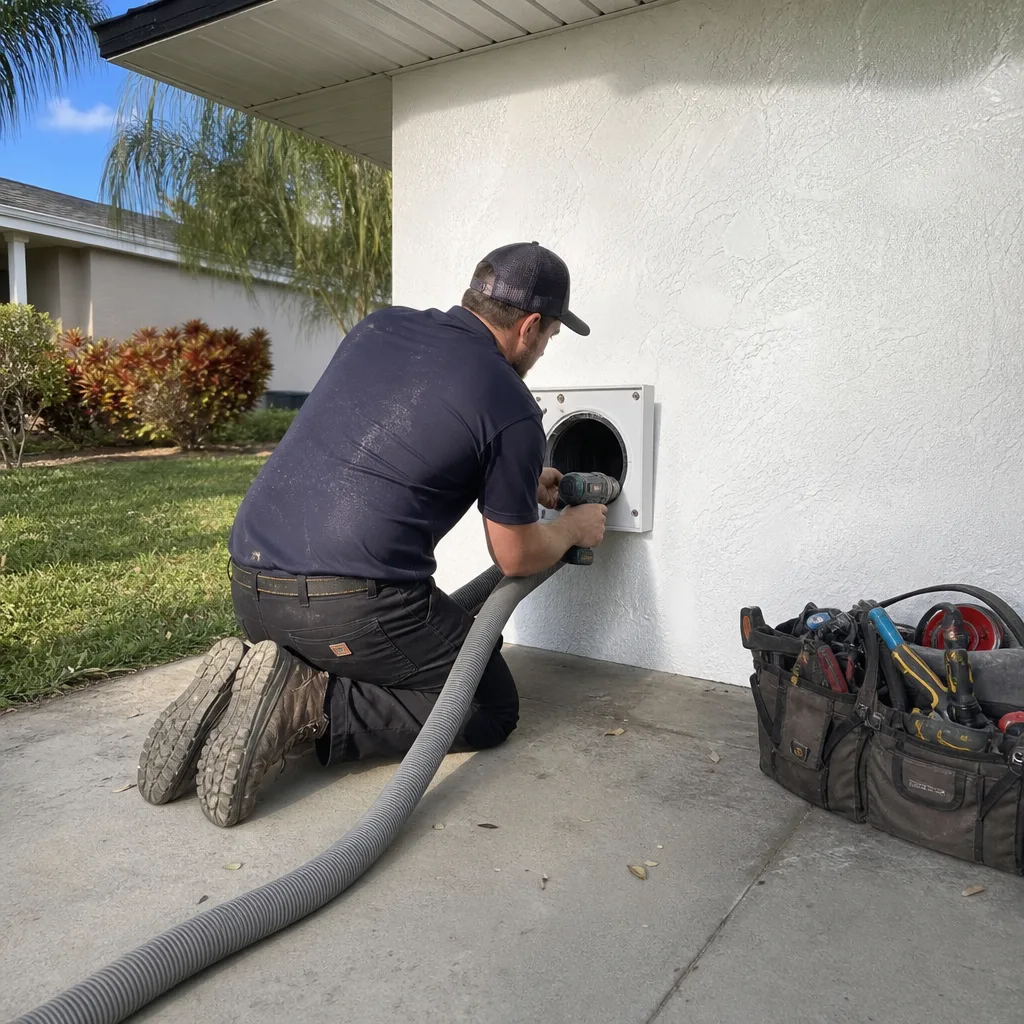
What a bait-and-switch operator says: “Professional equipment,” “truck-mounted system,” or some vague phrase with no brand name. A shop vac and a drill attachment are not professional duct cleaning equipment. Ask for the brand. If they won’t name it, that’s your answer.
Question 2: “Is your company NADCA certified, and what’s your NADCA member number?”
What a legitimate contractor says: They give you the answer without hesitation and invite you to verify it. A real NADCA-certified company has a verified listing you can look up yourself at nadca.com in about sixty seconds. We’ll break down exactly how to do that below.
What a bait-and-switch operator says: “We follow NADCA standards,” “Our techs are NADCA trained,” or some variation that sounds close but doesn’t claim actual membership. Following standards is not the same as being certified. Trained is not the same as certified. The distinction matters.
Question 3: “How do you price a job: per vent, flat rate, or by the hour?”
What a legitimate contractor says: Flat rate for the whole system, confirmed after an inspection but locked before work begins. A real quote names a dollar range for your specific home size and includes exactly which services are covered.
What a bait-and-switch operator says: “It depends,” “We need to see the system first,” or a low per-vent price that sounds cheap until you multiply it by 15 vents plus the “main trunk line” surcharge plus the “return side” surcharge. That’s how a $79 teaser becomes a $600 invoice.
Question 4: “Will you provide before-and-after photos of my actual ducts?”
What a legitimate contractor says: Yes, and this is standard practice, not an upsell. We include before-and-after photo documentation as part of every single job because you should never have to trust that work happened invisibly inside your walls.
What a bait-and-switch operator says: “We can’t photograph inside ducts,” “Our camera doesn’t work like that,” or a non-committal “sure, we can try.” If they clean ducts professionally, they have duct inspection equipment. If they won’t document the work, they’re banking on you never seeing inside the system.
Question 5: “Who exactly is coming to my house?”
What a legitimate contractor says: Background-checked, uniformed employees whose names you’ll know before they arrive. The company can tell you who the technician is and what to expect when they show up.
What a bait-and-switch operator says: “A technician.” When pressed: “It depends on the day.” Subcontracted day labor with no company affiliation is a red flag for coverage, accountability, and basic safety.
What NADCA Certification Actually Means and How to Verify It in 60 Seconds
NADCA stands for the National Air Duct Cleaners Association. It’s the industry’s primary standard-setting body, and air duct cleaning in Tampa is an unlicensed trade in Florida, which means any person with a van and a vacuum can print a business card and start knocking on doors. That’s exactly why NADCA membership carries weight.
A NADCA-certified company has agreed to follow the industry’s accepted cleaning standards (the ACR, or Assessment, Cleaning, and Restoration standard), uses equipment that meets NADCA guidelines, and employs at least one Air Systems Cleaning Specialist (ASCS) who has passed NADCA’s certification exam. The ACR standard covers not just the ducts themselves but the entire HVAC system: coils, blower, drain pan, plenum, and registers.
But here’s the part most guides skip: you need to verify the claim yourself. Saying “we’re NADCA certified” on a website or over the phone costs nothing. A legitimate membership costs real money and requires an actual application and approval process. Here’s the 60-second verification:
- Go to nadca.com.
- Click “Find a Professional” in the main navigation.
- Enter the company name or your Tampa ZIP code.
- Look for the company’s listing and confirm the certification is current.
If the company doesn’t show up? They’re not NADCA certified, regardless of what the website says. Cross them off the list and move on. This single check eliminates more bad actors than any other step in the hiring process.
One nuance worth knowing: NADCA certification applies to the company level, and individual technicians can hold the ASCS credential. When you ask for the member number, you’re checking the business. When the tech arrives, you can ask to see their ASCS certification card as well. Legitimate pros carry them. Tampa’s high-humidity climate makes proper HVAC cleaning standards especially relevant; a full-system cleaning per ACR standards addresses the coil and drain pan, which is where mold and biofilm actually grow in Florida’s heat. A duct-only cleaning misses the part of the system most affected by our climate. For more detail on what a full-system clean involves, see our guide to Air Duct Cleaning in Tampa.
How to Read a Duct Cleaning Quote Line-by-Line
The quote is where most Tampa homeowners get taken. It’s not the vague “check reviews” advice that protects you; it’s knowing how to read the actual document in your hand. Here’s how to break down a duct cleaning quote line by line, and what each pricing structure actually means.
Flat Rate vs. Per Vent vs. “Up To X Vents”
Flat rate for the entire system: This is what you want. The quote says “whole-house duct cleaning: $X” where X covers every supply vent, every return, the main trunk line, the plenum, and the air handler access. The number doesn’t change based on how many vents the technician counts when he walks through your door.
Per vent pricing: This is the classic bait-and-switch structure. A $19-per-vent price sounds reasonable until you realize your Tampa home has 14 supply vents, 3 returns, a main trunk line that counts as “extra,” and an air handler cleaning that’s “recommended but not included.” Now you’re at $400 and climbing. Per-vent pricing is not inherently dishonest, but it creates an incentive to inflate the count and add “required” extras. Ask for the total in writing before you sign anything.
“Up to X vents” pricing: Read this phrase as “the price will be higher when we arrive.” The quote says “up to 10 vents included,” and your home has 12. Each additional vent is $25. The “up to” structure is designed to make the initial number look competitive while guaranteeing an adjustment at the door.
What a Legitimate Quote Should List
- Total system-cleaning price: One number for the whole job.
- Scope of work: Which components are included (supply ducts, return ducts, trunk line, plenum, coil, blower, drain pan, registers).
- Equipment to be used: Brand names or at least the type of system (rotary brush, negative-pressure extraction, HEPA filtration).
- Time estimate: How long the job should take. A real whole-house cleaning runs 3 – 5 hours; anything under 90 minutes is a spot-clean, not a cleaning.
- Documentation included: Before-and-after photos, written report of what was found and removed.
- Guarantee terms: What happens if you’re not satisfied, and for how long.
For reference, a standard whole-house air duct cleaning for a typical 2,000 – 2,500 square foot Tampa home runs $350 – $550. Larger homes with multiple HVAC systems, or systems with significant mold or debris buildup, run higher. A quote of $150 for a “whole house” cleaning is not a deal; it’s a signal that the company plans to make the real money selling you something else once they’re inside.
Our approach is to hand you a written price before a single duct is touched, and that price doesn’t change at the door. No per-vent multiplication, no “up to” fine print. The written price is the price. If you’d like to see how this structure applies to a related but distinct service, our HVAC Cleaning in Tampa guide covers full-system pricing with the same transparency principle.
How to Interpret Before-and-After Photos (Camera Tricks Exposed)
Before-and-after photos are the strongest proof that a duct cleaning actually happened, but they’re also the easiest thing for a dishonest operator to fake. Here’s how to read them like a pro.
Camera Angle and Lighting Tricks
The single most common staged photo is the “before” shot taken with the camera light off or angled away from the surface, followed by an “after” shot with full illumination. Debris looks dramatically worse in shadows. A genuine before photo uses the same lighting, same angle, and same position as the after photo. When you compare them, you should be able to match the same duct surface, the same rivets or seams, and the same orientation. If the before photo is a dark, grainy close-up and the after photo is a brightly lit wide shot, someone is selling you lighting, not labor.
What Genuine Debris Removal Looks Like
Real duct cleaning leaves the interior surfaces visibly changed: construction debris, drywall dust, pet hair, and dust bunnies get removed, and the shiny metal surface underneath becomes visible for the first time. In Tampa’s humidity, you may also see signs of surface rust or condensation stains that remain after cleaning; that’s a material condition, not a cleaning failure. A legitimate contractor points those out rather than pretending they’ll disappear.
One verification trick we recommend: ask the technician to show you the same vent or duct section live on the camera screen before and after, rather than relying on saved photos. If they can’t do that, the photos are worth less than the pixels they’re printed on.
What a Staged Shot Looks Like
- The “after” photo is a different duct or vent than the “before” photo (look for matching seams, screw holes, and duct dimensions).
- The photo looks like a stock image (clean, generic, no identifiable features of your actual home).
- The before photo shows dramatic filth that’s inconsistent with the actual age and condition of your system (a 5-year-old home with inch-thick greasy buildup is improbable, not proof).
- The technician can’t produce photos from your actual job when asked to verify on site.
We include before-and-after photo documentation as a standard part of every job, not as an add-on, because the proof is part of the service. If a contractor treats photo documentation as an extra charge or an afterthought, ask why.
The Post-Job Walkthrough: What to Inspect Before You Pay
The job is done and the technician is ready for payment. This is the moment to slow down. Here’s the post-job inspection checklist we recommend every Tampa homeowner run through before signing off.
Step 1: Check the Access Points
Ask the technician to show you the access points they used to clean the system: the supply plenum at the air handler, the return drop, and any main trunk access cut. The access covers should be reattached, sealed, and sitting flush. A loose or improperly sealed access cover is a sign of a rushed job and an invitation for conditioned air to leak into your attic or crawl space.
Step 2: Inspect the Return Grille and a Few Vents
Pop off a return grille and look inside with a flashlight. The interior surfaces should be visibly cleaner than the before photos you received. Dust and debris should be substantially reduced. You don’t need to inspect every vent; three or four randomly selected spots give you a honest feel for the work quality.
Step 3: Verify the Negative-Pressure Claim
Ask whether the system was under negative pressure during cleaning. If the answer is yes, the loosened debris went into a HEPA-filtered vacuum, not into your home’s air. If the tech can’t answer or says “we just blew it out,” that’s a red flag; blow-and-go cleaning without containment pushes debris deeper into your living space.
Step 4: Review the Before-and-After Photos Together
Sit down with the technician and walk through the photos. Ask them to explain what they found, what they removed, and anything that remains (like surface rust or hard water staining). A professional is happy to walk you through the results. Someone who rushes this step or can’t produce the photos is telling you something.
Step 5: Confirm the Written Price One More Time
Check the final invoice against the written quote you received before the work started. The number should match. Not “close to” the quote. The quote. If there’s any discrepancy, now is the time to raise it, before you pay. Our written price before work starts is exactly that: the price.
Step 6: Get the Guarantee in Writing
Ask what happens if you find the job wasn’t done right two weeks from now. A legitimate company has a clear answer and puts it in writing. Our 365-Day Done Right Promise means if the work isn’t right within a full year, we return and make it right at no charge. No proration, no fine print, no “warranty exclusions” that gut the promise. If a company’s guarantee is verbal, it doesn’t exist. Get it on paper or walk.
If the job passes all six steps, sign off and pay with confidence. If it doesn’t, you have the leverage to withhold payment until the issues are addressed. That’s the point of the walkthrough: the work isn’t finished until you’ve confirmed it was done right.
Tampa-Specific Considerations: Humidity, Mold, and HVAC Load
Air duct cleaning in Tampa isn’t the same job it is in Phoenix or Denver. Our climate shapes the kind of debris that builds up in ductwork and the problems that follow.
Humidity and Mold Growth
Tampa’s year-round humidity means condensation forms on cooling coils, and where there’s condensation, there’s potential for microbial growth. The dark, cool interior of an air handler is prime real estate for mold and biofilm. A duct-only cleaning that ignores the coil, drain pan, and blower is incomplete in Tampa specifically because those components are where the biological growth actually lives. Ask any contractor you’re considering whether their cleaning includes the full system per NADCA standards, not just the branch ducts.
HVAC Runtime and Debris Load
Central Florida air conditioners run more hours per year than systems in almost any other part of the country. More runtime means more air moving through the system, which means more particulate accumulation in a shorter time. A system in Tampa may accumulate the same debris load in 3 years that a Pennslyvania system builds over 7. The “every 3 – 5 years” guideline should be adjusted toward the lower end in Tampa, particularly for homes with pets, recent renovations, or smokers.
Construction Dust in Growing Neighborhoods
New Tampa, Westchase, and the rapidly developing areas around Wesley Chapel and Riverview have one thing in common: construction dust. New construction and renovation work generates fine drywall dust and debris that gets sucked into return ducts during construction and sits there until someone removes it. If you bought a new build in the last 2 – 3 years and haven’t had the ducts inspected, there’s a good chance you’re circulating construction debris. A post-construction duct inspection is a smart use of a cleaning call.
What We See in Tampa Homes (Repeatedly)
In our experience in Tampa, the most common duct cleaning findings include: heavy dust accumulation on return drops, drywall dust from renovation work, pet hair and dander compacted in branch ducts, mold staining on supply plenums near the coil, and airflow restrictions from collapsed flexible duct in attics. The last one is worth flagging: flex duct in hot Florida attics can collapse or get pinched over time, reducing airflow to specific rooms long before you notice the system is working harder than it should. A thorough duct inspection catches that issue early.
For a linked service that matters in Tampa specifically, see our Dryer Vent Cleaning in Tampa guide; clogged dryer vents are a fire risk that Florida’s humidity makes worse when lint clumps together rather than blowing through.
Common Mistakes to Avoid
- Believing a price that sounds too good to be true without asking why. A $99 whole-house duct cleaning in Tampa isn’t a market beater; it’s a loss leader designed to get a salesperson through your door with a price book.
- Taking “NADCA trained” at face value without verifying membership on nadca.com. The verification takes under a minute and eliminates most fraudulent claims instantly.
- Paying per vent without calculating the total first. Multiply the per-vent price by your actual vent count before comparing to a flat-rate quote; the per-vent number usually loses once you do the math.
- Skipping the post-job walkthrough to save fifteen minutes. That’s the moment you have maximum leverage. Use it.
- Accepting a verbal guarantee. If the promise isn’t in writing, it doesn’t exist when you need it six months later.
- Assuming duct cleaning alone will fix a mold problem. Duct cleaning removes contaminated material, but if the moisture source isn’t addressed, the mold comes back. A proper assessment identifies the source.
- Hiring without knowing who’s actually coming to your home. Background-checked, uniformed technicians with names you know before they arrive is table stakes; subcontracted labor is a risk factor.
When to Call a Professional
You should call a professional air duct cleaning contractor in Tampa if you’ve never had the system cleaned (or don’t know when it was last done), if you’ve recently completed renovation or new construction work, if you have unexplained dust accumulation on surfaces shortly after cleaning, if you’ve had a pest issue in the attic, or if anyone in the home has persistent allergy symptoms that improve when away from home. Visible mold around vents, restricted airflow from specific registers, and musty odors when the AC kicks on all warrant a professional inspection. The tools to properly assess and clean a full HVAC system cost thousands of dollars and require training to use correctly; this isn’t a DIY-able job, and the risks of doing it wrong (damaged ducts, contaminated air released into your home) outweigh any savings. Cardinal Air Duct Tampa offers free estimates in Tampa; call (850) 403-3474 to schedule an inspection.
Frequently Asked Questions
Most standard whole-house duct cleanings in Tampa run $350 – $550 for a typical single-family home, depending on home size, number of HVAC systems, and the condition of the system. Duct-only cleaning runs lower; full-system cleaning that includes the coil, blower, and drain pan runs higher. Any quote significantly below $350 should trigger the same skepticism as a “$79 whole-house special.” Call (850) 403-3474 for an exact quote for your Tampa home; estimates are free.
Cheap quotes almost always use one of two tactics: per-vent pricing that multiplies into a much larger invoice once the technician arrives, or a loss-leader price designed to create an opportunity for upsells on “required” services like mold treatment or sanitizing. The cheapest quote you receive is often the most expensive by the time you sign. A legitimate flat-rate price agreed before work starts protects you from the multiplication game.
Before-and-after photos of your actual ducts, taken with consistent lighting and angles, are the strongest proof. Ask to see the same vent inside the camera live before and after. A legitimate contractor can show you the work, and our 365-Day Done Right Promise means if you find the work wasn’t done right within a year, we return and correct it at no charge. Call (850) 403-3474 to schedule a cleaning in Tampa with documentation included.
NADCA recommends cleaning every 3 – 5 years, but Tampa’s high-humidity climate and longer HVAC runtimes argue for the lower end of that range, especially in homes with pets, recent renovation, or smokers. If you’ve had construction work done, a post-construction inspection is warranted regardless of timeline. The best way to know is an inspection that shows you the actual condition of your ducts rather than guessing from a calendar.
Florida doesn’t license air duct cleaners at the state level, which makes NADCA certification the most meaningful third-party credential you can check. A NADCA-certified company follows the ACR standard, uses appropriate equipment, and employs at least one certified Air Systems Cleaning Specialist. Verify membership yourself at nadca.com rather than taking the company’s word for it.
Air duct cleaning covers the ductwork itself: supply ducts, return ducts, trunk lines, and branch runs. HVAC cleaning is the broader service that includes the air handler, coil, blower, and drain pan along with the ducts. Dryer vent cleaning is an entirely separate service targeting the exhaust vent from your clothes dryer. Tampa homeowners often need all three addressed, and they should be priced and quoted separately. You can compare our air duct cleaning, HVAC cleaning, and dryer vent cleaning service pages for the distinctions.
The Bottom Line
Hiring an air duct cleaning contractor in Tampa comes down to verification, documentation, and a written price. Ask the five phone questions, verify NADCA membership yourself, demand a flat-rate written quote before the work begins, and inspect the results with before-and-after photos before you sign off. Avoid per-vent pricing games and loss-leader coupons that read like a deal but pay out like a scheme. The best contractor is the one who answers every question directly, names their equipment, documents their work, and stands behind it in writing for a full year. If you’re ready to book or just want a second opinion on a quote you received, call Cardinal Air Duct Tampa home at (850) 403-3474 for a free estimate. We’ll give you a written price, show you the work with photos, and back every job with the 365-Day Done Right Promise.
Written by Omar Haddad, Owner at Cardinal Air Duct Tampa, serving Tampa since 2005.
See the difference
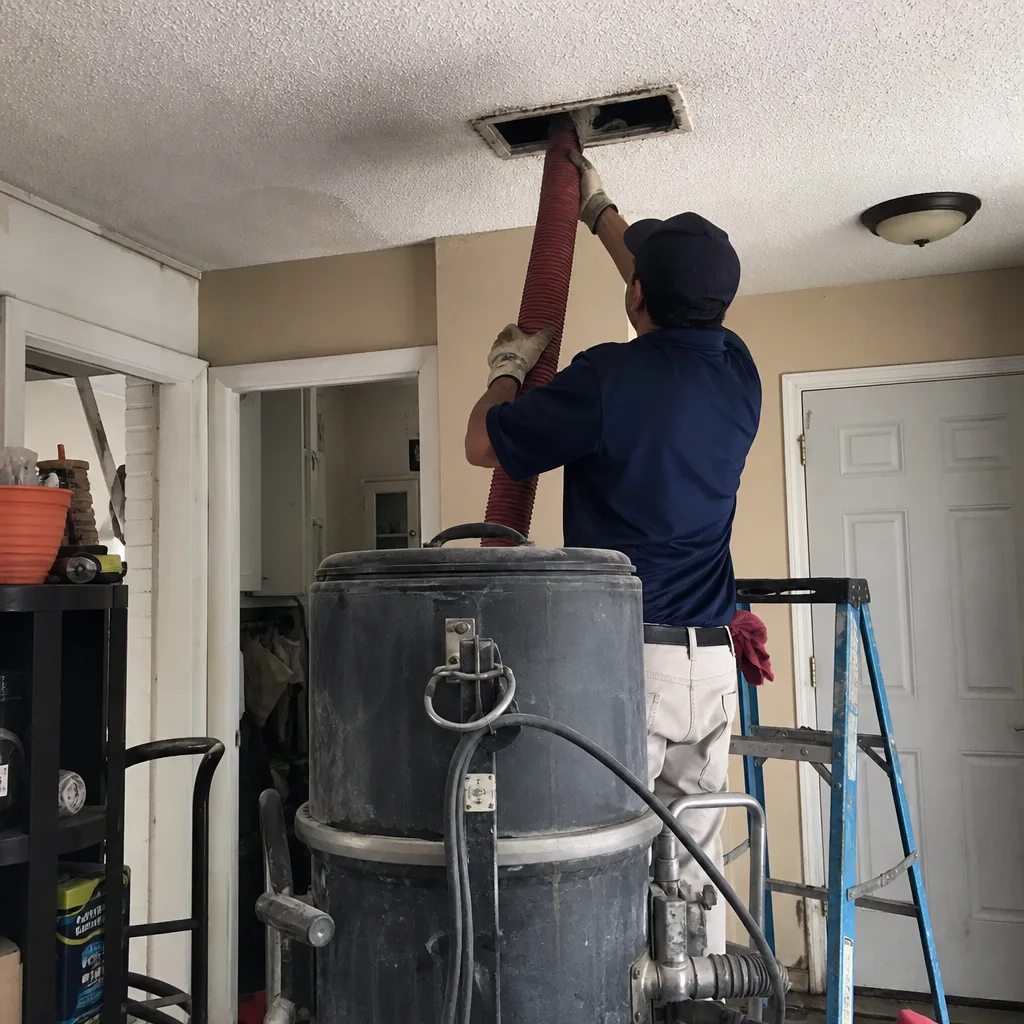 Before
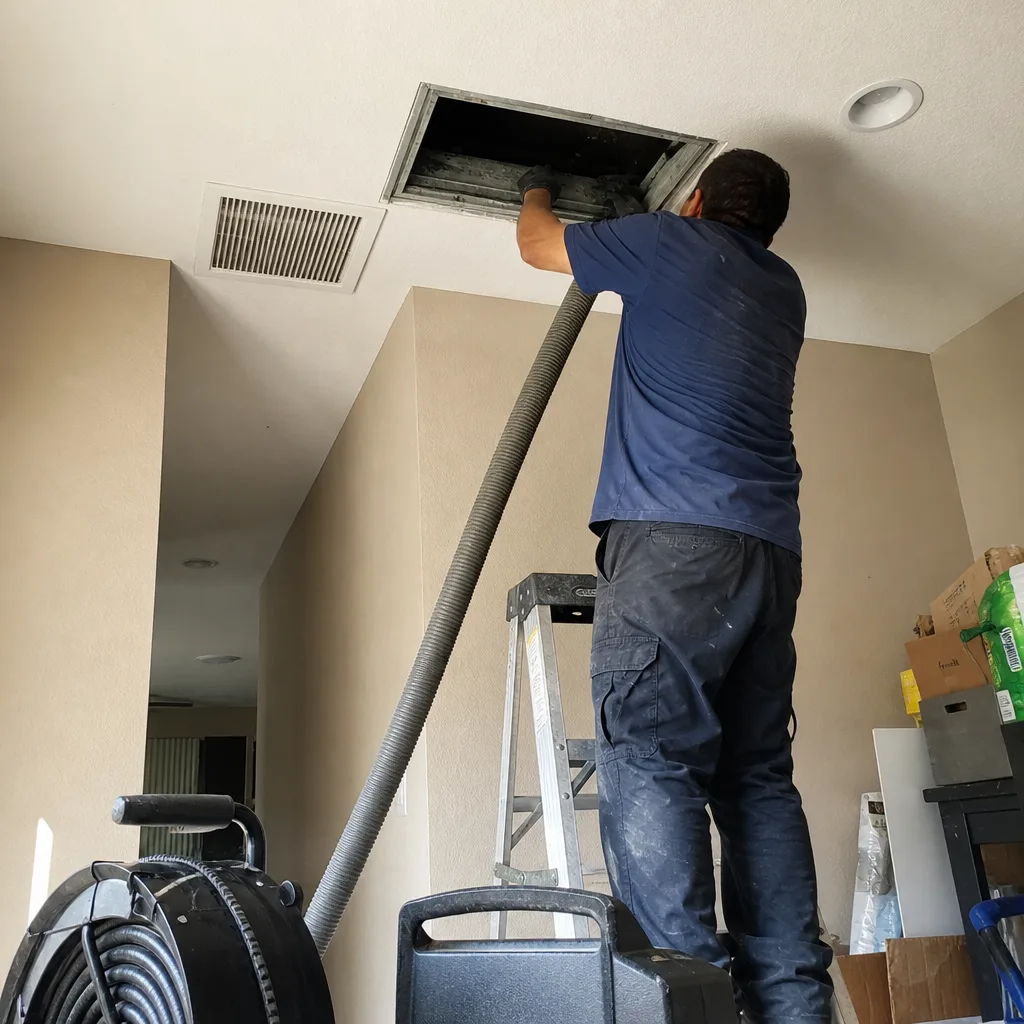 After
After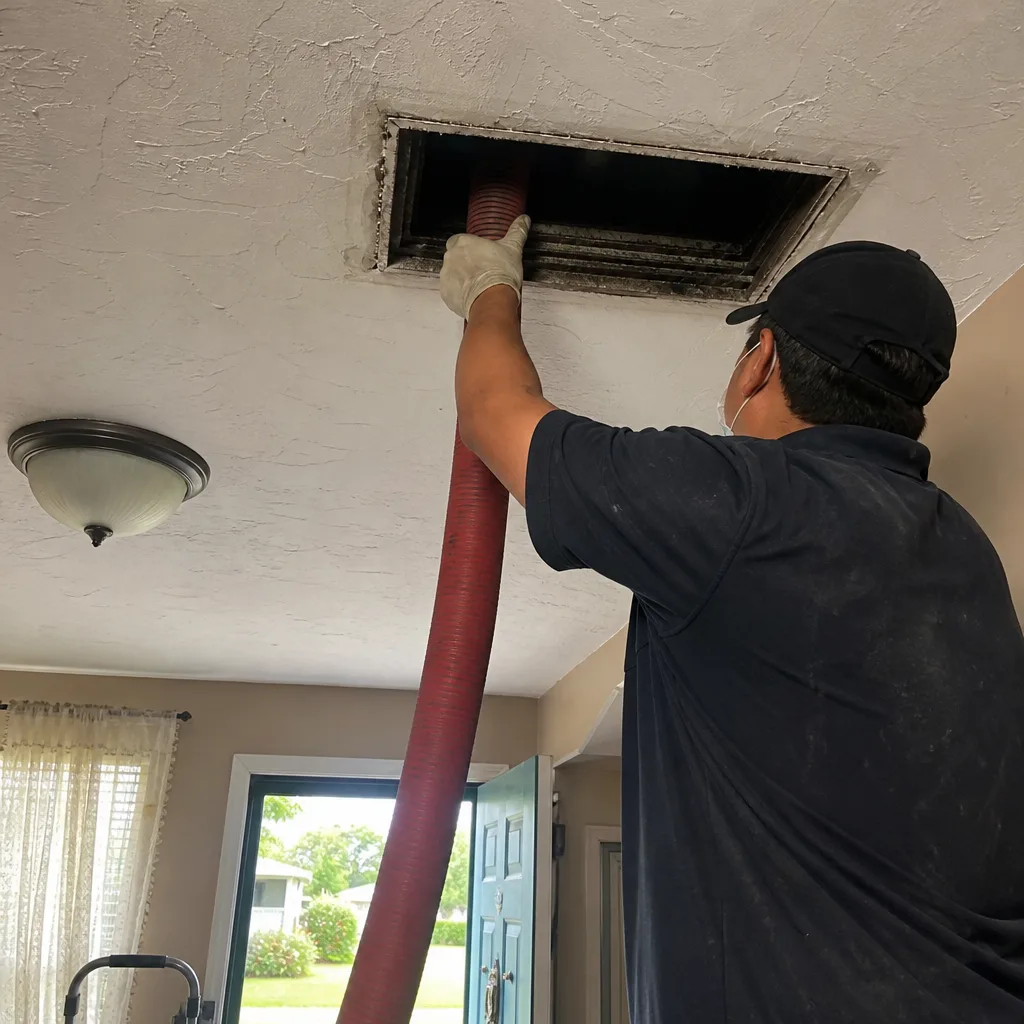 Before
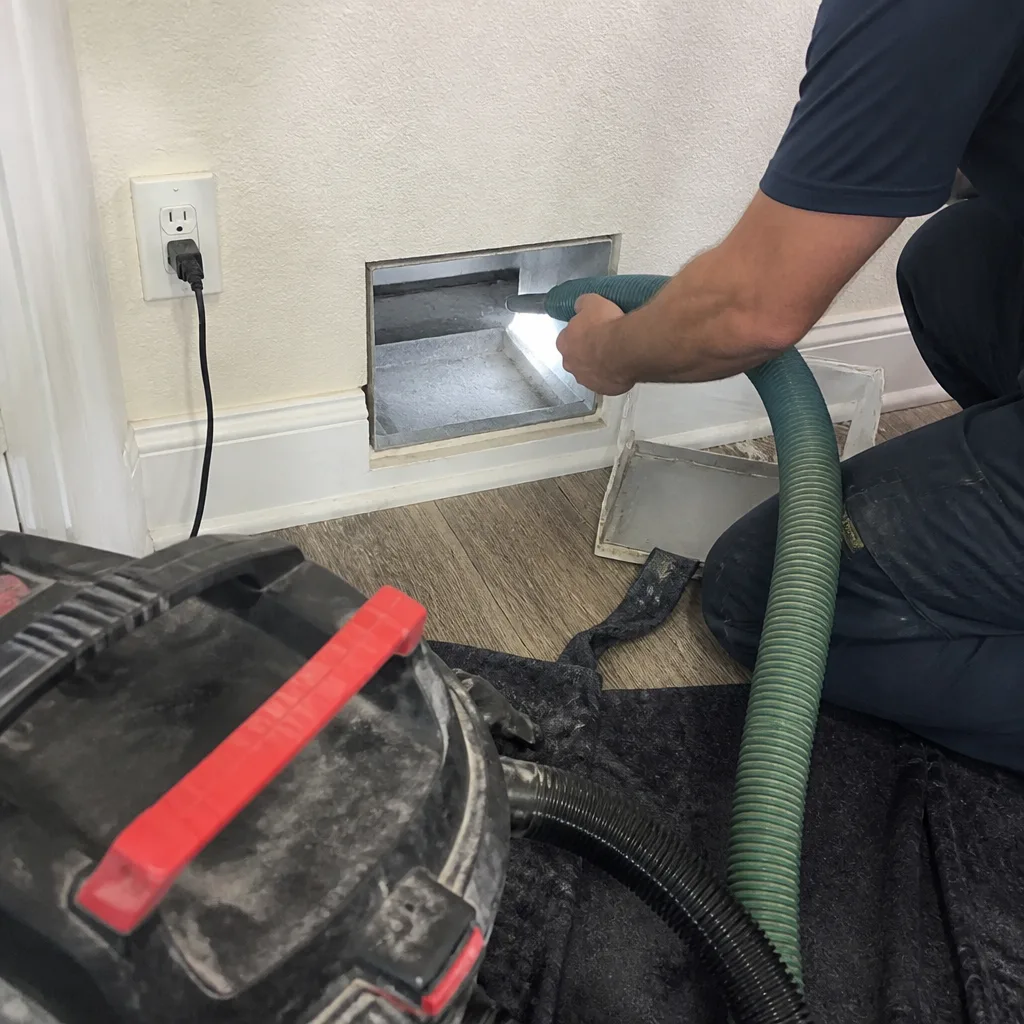 After
After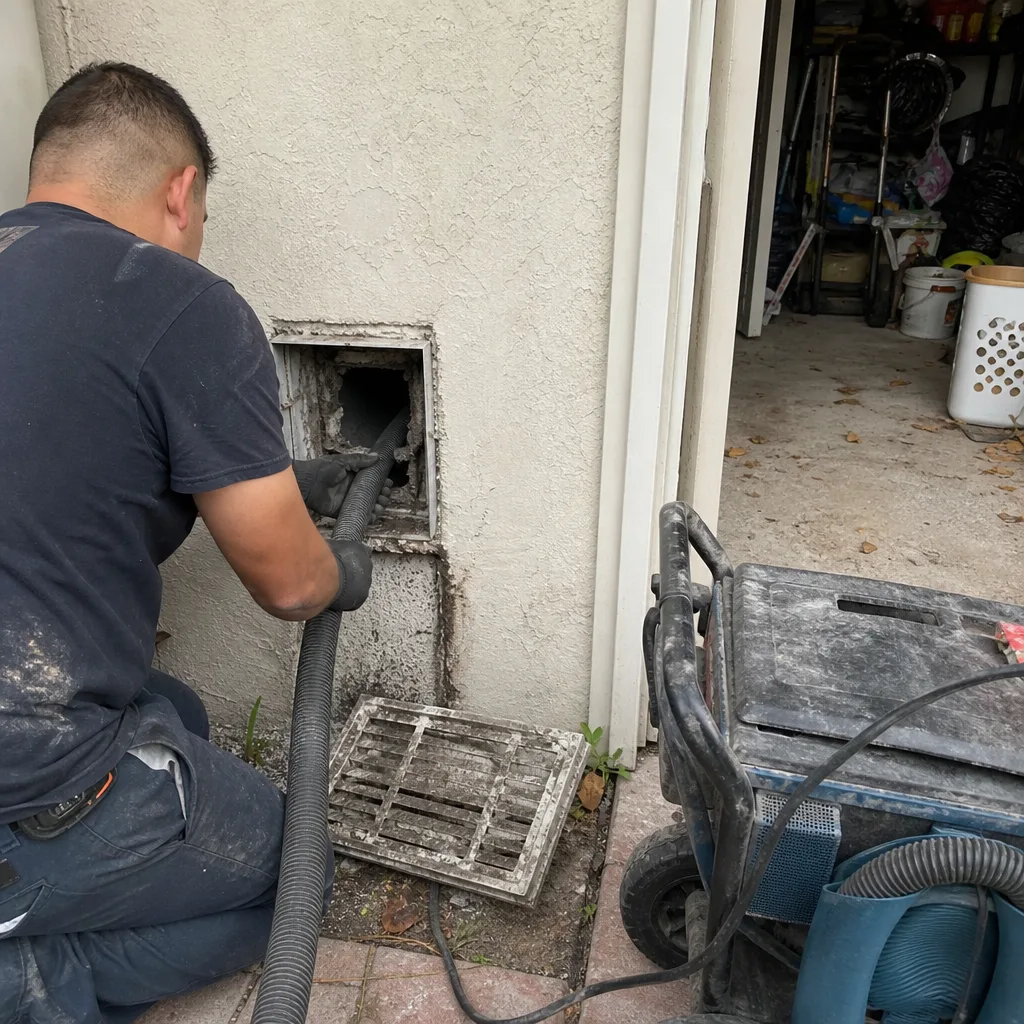 Before
 After
After